

Blog

  • The Dutchman took the yellow jersey, the Rwandan came in the top 10

    The Dutchman took the yellow jersey, the Rwandan came in the top 10

    Dutchman Jurgen Zomermaand of Development Team Picnic PostNL won the third stage of the 2026 Tour du Rwanda from Huye to Rusizi over a distance of 145 kilometers, taking the yellow jersey awarded to the leader of the general classification.

    The race was a tight race from the last kilometers, with a group of 12 riders remaining, including the Ethiopian Henok Mulubrhan, the Spanish Pau Martí, and Henrique Ribeiro. These riders managed to gain a 50-second lead over the main group that followed them.

    With just three kilometers to go, Zomermaand decided to leave his teammates, riding alone, adding 25 seconds. As he approached the finish line, he continued to increase the gap to 35 seconds, and with one kilometer remaining, he had already added 45 seconds, making it easy for him to remain in first place without anyone approaching him.

    Zomermaand finished the race in 3 hours, 44 minutes and 53 seconds, leaving Lucas Van Gils of Lotto Groupe Wanty in second place by 20 seconds, while his teammate Matteo Vanhuffel was third. Rwandan Samuel Niyonkuru of Team Amani was 10th, 43 seconds behind.

    Although they did not lose any place, Rwandan athletes continued to perform well in this international competition. Eric Muhoza of Team Amani was 20th, 1 minute and 26 seconds behind, Mugisha Moise of Benediction was 21st, 1 minute and 49 seconds behind, and Masengesho Vainquer was 27th, 4 minutes and 37 seconds behind.

    This victory immediately changed the general classification, as Jurgen Zomermaand immediately took the yellow jersey, taking it from Pau Martí who had worn it after winning the second stage.

    The Huye–Rusizi section has a long history in the Tour du Rwanda, as it is the fourth time that the stage has been held in Rusizi. In 2024, it will be won by Colombian Johnatan Restrepo Valencia, one of the most experienced riders in this competition, having won seven stages in different seasons.

    As the general standings stand

    1. Zomermaand Jurgen (Development Team Picnic Postnl): 10:55:06
    2. Vanhuffel Matteo (Development Team Picnic Postnl): +0:20
    3. Van Gils Lucas (Lotto – Groupe Wanty): + 0:20
    4. Da Silva Avancini Henrique (Localiza Meoo / Swift Pro Cycling): +0:22
    5. Ribeiro Bravo Henrique (Soudal Quick-Step Devo Team): +0:23
    6. Mulugeta Yafiet (Eritrea): +0:28
    7. Aman Awet (Istanbul Team): +0:28
    8. Cisneros Diaz De Leon Jose Said (Soudal Quick-Step Devo Team): +0:28
    9. Mattheis Oliver (Bike Aid): +0:28
    10. Mulueberhan Henok (Eritrea): +0:43
    11. Niyonkuru Samuel (Team Amani): +0:44
    12. Marti Soriano Pau (NSN Development Team): +0:47
    13. Thompson Reuben (Lotto – Groupe Wanty) +1:20
    14. Desta Teweldemedhn Amaniel (Team Amani): +1:20
    15. Yemane Even (Bike Aid): +1:20
    16. Adamietz Johannes (Rembe | Rad-Net): +1:20
    17. Novák Filip (Movistar Team Academy): +1:20
    18. Medhanie Natan (Eritrea): +1:20
    19. Muhoza Eric (Team Amani): +1:27
    20. Rossi Joao Pedro (Localiza Meoo / Swift Pro Cycling): +1:27
    21. Kretschy Moritz (NSN Development Team): +1:33
    22. Mugisha Moise (Benediction Banafrica Team): +1:50
    23. Marivoet Scholiers Duarte (Lotto – Groupe Wanty): +1:50
    24. Zemke Jermaine (Rembe | Rad-Net): +3:19
    25. Borresch Julian (Rembe | Rad-Net): +3:50
    26. Kudus Merhawi (Eritrea): +3:50
    27. Castro Castro Sebastian (Movistar Team Academy): +3:52
    28. Masengesho Vainqueur (Bénédiction Banafrica Team): +4:38
    29. Araya Zeray Nahom (Eritrea): +5:09
    30. Mugalu Shafik (Team Amani): +6:02

    We will keep updating you till the final day!

  • Sudan: Massacre in Misteriha Leaves 28 Dead NORTH DARFUR

    Sudan: Massacre in Misteriha Leaves 28 Dead NORTH DARFUR

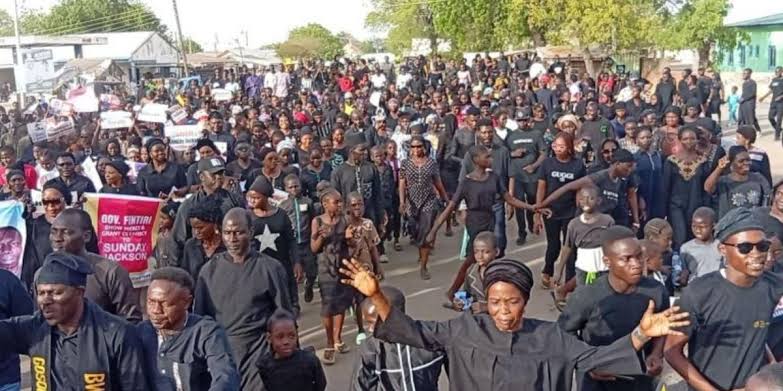
    In one of the most significant escalations of internal tribal conflict since the Sudanese civil war began in 2023, the paramilitary Rapid Support Forces (RSF) launched a devastating assault on the town of Misteriha. According to the Sudan Doctors Network, at least 28 civilians were killed and 39 others wounded, including at least ten women, during a multi-day operation that culminated on Monday, February 23, 2026.

    The attack on Misteriha—a historical and political stronghold for tribal leader Musa Hilal—marks a critical turning point in the war, signaling a deepening rift within the Arab tribes that have traditionally formed the backbone of the RSF’s power base.

  • Rwanda: Augustin Banyaga, The Man Behind the Milestone

    Rwanda: Augustin Banyaga, The Man Behind the Milestone

    Augustin Banyaga (born March 31, 1947) is a distinguished Rwandan-born American mathematician and a pioneering figure in the field of global mathematics. He is widely recognized for being the first Rwandan to earn a Ph.D. in mathematics, a milestone he achieved in 1976.

    Professional Career & Academic Contributions

    Banyaga is currently a Professor of Mathematics and a Distinguished Senior Scholar at Pennsylvania State University, where he has been a faculty member since 1984. His academic journey includes prestigious positions at several world-renowned institutions:

    • Harvard University: Benjamin Peirce Assistant Professor (1978–1982).
    • Boston University: Assistant Professor (1982–1984).
    • Institute for Advanced Study: Postdoctoral research fellow in Princeton (1977–1978).

    Research & Specialization

    His primary research interests lie in Symplectic Geometry, Contact Geometry, and Topology. He is particularly noted for his work on the structure of groups of diffeomorphisms. His significant publications include:

    • The Structure of Classical Diffeomorphism Groups (1997)
    • Lectures on Morse Homology (2004)

    Honors and Leadership

    In addition to his research, Professor Banyaga is deeply involved in fostering mathematical talent across the African continent.

    • Fellow of the African Academy of Sciences: Elected in 2009.
    • Editor: He serves as an editor for Afrika Matematica (the journal of the African Mathematical Union) and the African Diaspora Journal of Mathematics.
    • Global Recognition: In 2015, he was named a Distinguished Senior Scholar by Penn State’s Eberly College of Science for his extraordinary achievements in research and education.

    Background

    Born in 1947 near Kigali, Rwanda, Banyaga excelled in his early education and received a scholarship to study in Switzerland. He earned his Bachelor’s, Master’s, and Ph.D. from the University of Geneva. Throughout his career, he has remained a vocal advocate for the development of higher education and scientific research in Africa.

  • Global Powers Urge Restraint Following Killing of M23 Figurehead

    Global Powers Urge Restraint Following Killing of M23 Figurehead

    International mediators and humanitarian agencies have issued urgent calls for de-escalation in the Democratic Republic of Congo (DRC) following the death of Lt. Col. Willy Ngoma. The killing of the M23’s most visible official has sent shockwaves through a fragile peace process and raised fears of a renewed, all-out regional conflict.

    Washington and Doha Call for “Strategic Patience”

    The U.S. State Department and Qatari mediators—who only recently brokered a ceasefire in Doha—expressed “deep concern” over the potential for the strike to derail ongoing negotiations.

    In a statement, a U.S. spokesperson noted:

    “While we have consistently condemned the M23’s actions and sanctioned individuals like Willy Ngoma for human rights abuses, we believe a military solution alone will not bring lasting peace. We urge all parties to honor the Washington Accord and return to the monitoring mechanisms established in December.”

    Privately, Western diplomats have expressed frustration that the strike occurred just as technical teams were finalizing a joint verification mechanism to oversee the withdrawal of foreign forces from the region.

    UN Fears Humanitarian Retaliation

    The United Nations Mission in the DRC (MONUSCO) has placed its blue helmets on high alert in North Kivu. A senior UN official, speaking on condition of anonymity, warned that the death of a “voice as central as Ngoma’s” could lead to a leadership vacuum or, more likely, a series of retaliatory attacks on civilian centers near Goma.

    Human Rights Watch and other international monitors have echoed these concerns, noting that historically, the loss of high-ranking M23 commanders has been followed by “punitive” operations in areas suspected of harboring government sympathizers.

    The Regional Standoff

    While the Congolese government in Kinshasa has maintained a “no comment” stance, the atmosphere in the capital is one of quiet triumph. However, across the border in Kigali, the reaction has been one of stern caution.

    A spokesperson for the Rwandan government—which has recently admitted to “security coordination” with the M23 for defensive purposes—noted that “targeted assassinations of political and military interlocutors only serve to deepen the mistrust that has fueled this crisis for decades.”

    The Mineral Factor

    Economic analysts point out that the location of the strike, Rubaya, is no coincidence. As a hub for 15% of the world’s coltan supply, the town is the financial lifeblood of the M23 insurgency. International trade bodies are now monitoring the area closely, fearing that a surge in fighting could disrupt global supply chains for the electronics industry.

  • DRC: Lt Col Willy Ngoma, M23 Spokesperson Killed in DR Congo Drone Strike

    DRC: Lt Col Willy Ngoma, M23 Spokesperson Killed in DR Congo Drone Strike

    The prominent military spokesperson for the M23 rebel movement, Lt. Col. Willy Ngoma, has been killed in a drone strike in the eastern Democratic Republic of Congo, officials and rebel sources have confirmed.

    The strike, which took place in the early hours of Tuesday, February 24, targeted an enclave near the strategic mining town of Rubaya in North Kivu province. The town is a significant global hub for coltan—a mineral essential for the production of smartphones—and has been a key financial stronghold for the rebels since its capture last year.

    A Precision Attack

    Local residents reported hearing a massive explosion at approximately 03:00 local time (01:00 GMT). A regional diplomat and a senior official within the M23 confirmed to the media that Ngoma was killed instantly when the drone struck a farm area used as a rebel command post.

    While the Congolese government in Kinshasa has not officially claimed responsibility for the strike, the Congolese army (FARDC) has notably increased its use of combat drones in recent weeks to target high-value rebel leadership.

    The Face of the Rebellion

    Lt. Col. Ngoma was the most recognizable face of the M23. Often seen in full military uniform delivering defiant press conferences from captured territories, he was instrumental in the group’s sophisticated media strategy.

    His death is seen as a major psychological and tactical blow to the movement. In recent months, Ngoma had been a central figure in the “Alliance Fleuve Congo” (AFC), a broader political-military coalition led by Corneille Nangaa, which has sought to challenge the central government’s authority.

    Fragile Peace Efforts

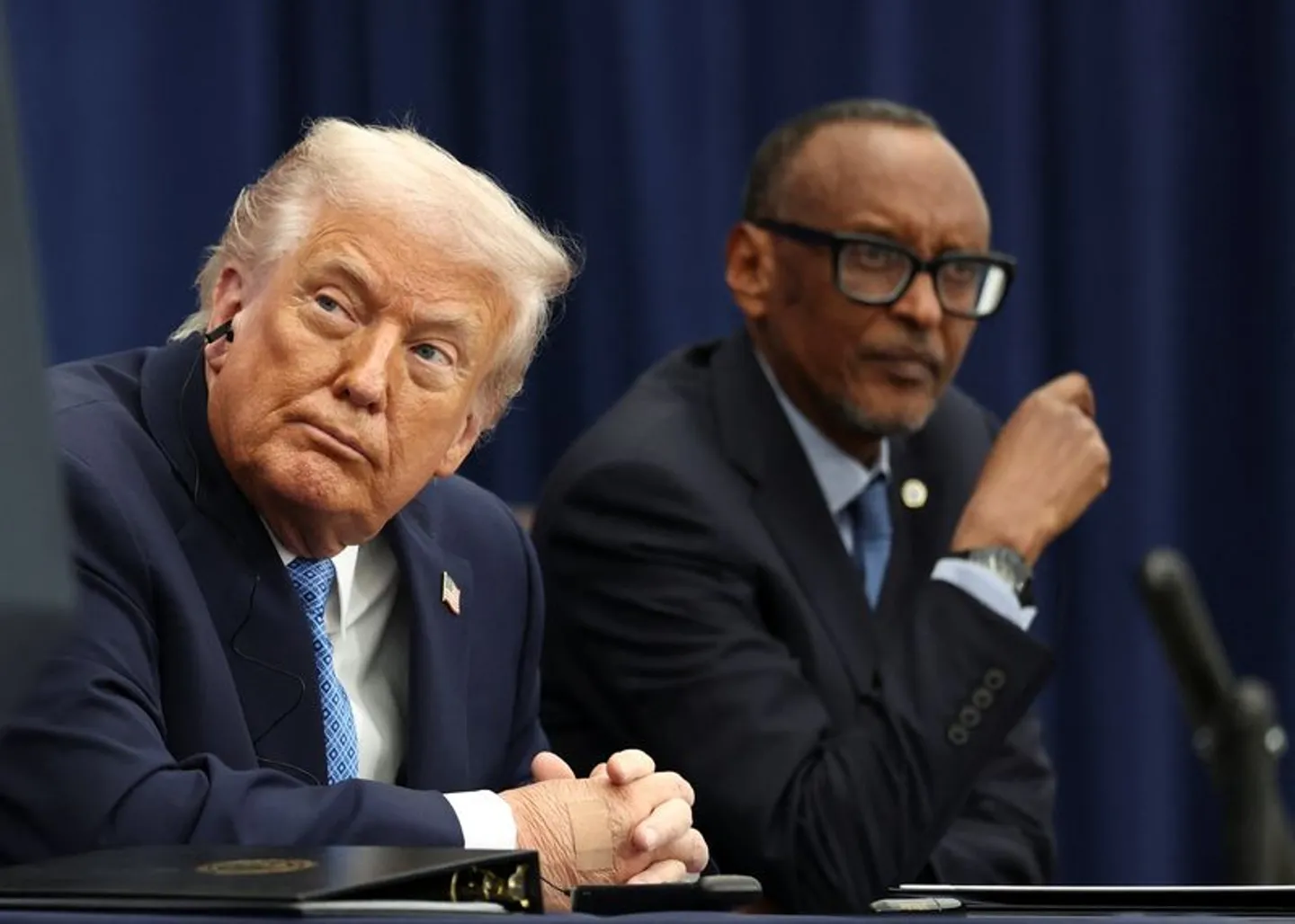
    The killing comes at a delicate time for regional diplomacy. Qatar and the administration of U.S. President Donald Trump have been brokering ceasefire talks in Doha.

    “This is a significant escalation,” said one Western adviser to the Congolese government. “It undermines the monitoring mechanisms agreed upon in Doha and raises the immediate risk of a retaliatory offensive by the M23.”

    The conflict in eastern DRC remains one of the world’s most severe humanitarian crises, with more than seven million people displaced by fighting between the army, the M23, and various other armed groups.

  • Guinea Votes as Doumbouya Wraps Up Campaign Amid Cheers and Criticism

    Guinea Votes as Doumbouya Wraps Up Campaign Amid Cheers and Criticism

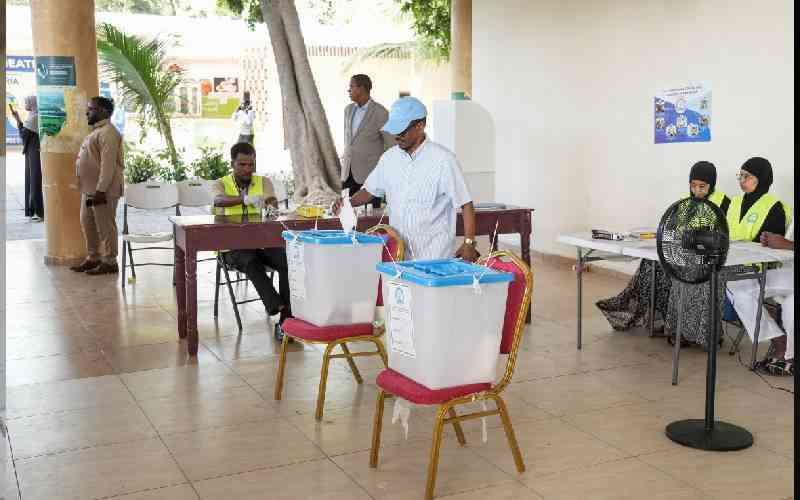
    Voices of both support and opposition rang out in Guinea’s capital on Thursday as military leader Gen. Mamadi Doumbouya held his last campaign rally in Conakry ahead of Sunday’s presidential election.

    “I came out to support Mamadi Doumbouya because of his kindness, the jobs he helped create for people who needed work, and everything he has done for us and the wider population,” said Mariame Kourouma, one of thousands who gathered at the Palace of the People. “That’s why we are here, to support him as president.”

    The rally brought campaigning to an end for Guinea’s first presidential election since the 2021 military takeover that ushered Doumbouya into power. The vote follows years of political turmoil and comes at a time of rising concern about democratic setbacks across West Africa.

    Doumbouya continues to enjoy solid backing from supporters who praise his focus on infrastructure projects and his anti-corruption stance. However, the election period has also been marked by controversy, with critics pointing to a clampdown on dissent. Several prominent opposition figures have been pushed aside, either barred from contesting the race or driven into exile.

    One of Doumbouya’s main rivals is Abdoulaye Yero Baldé, a former education minister under ex-president Alpha Condé. To many opposition supporters, Baldé represents resistance to constitutional abuse.

    “When Alpha Condé asked Yero Baldé to follow him into a third term, he refused,” said opposition supporter Mohamed Lamine Bangoura. “He said, ‘Mr President, I can’t do that.’ We told Guineans we would restore democracy, after two terms, power should change hands.”

    Baldé quit the government in protest after Condé pushed through and won a disputed third term, a move that sparked widespread unrest and set the stage for the 2021 coup that removed Condé a year later.

    Despite Guinea’s vast mineral resources, more than half of its roughly 15 million citizens live in poverty and struggle with food insecurity. Doumbouya has built his campaign around promises of modernization and economic growth, highlighting road construction, public infrastructure projects and a new constitution approved in a referendum boycotted by opposition groups.

    The ruling junta has repeatedly postponed the transition back to civilian rule, eventually opening the door for Doumbouya to run for a newly extended seven-year term.

  • Trump Says U.S. Forces Launched Deadly Strike on IS Fighters in Nigeria

    Trump Says U.S. Forces Launched Deadly Strike on IS Fighters in Nigeria

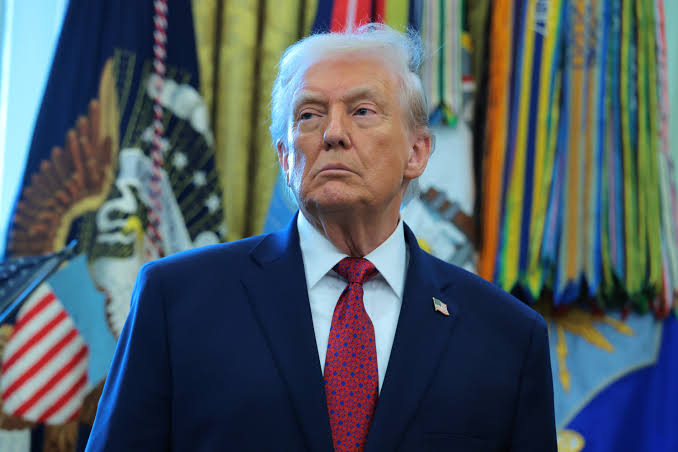
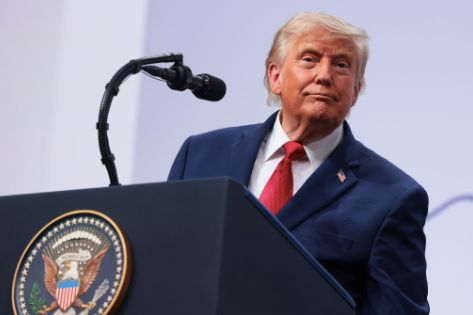
    U.S. President Donald Trump said on Thursday that American troops had carried out what he called a “strong and deadly” attack on Islamic State militants in Nigeria, coming weeks after he sharply criticised the Nigerian government over the treatment of Christians.

    Posting on Christmas evening via his social media account, Trump did not release operational specifics. He gave no details on the extent of the strike, the locations hit, or how many fighters were affected.

    A U.S. Department of Defense official, who spoke anonymously because the information has not been formally released, confirmed that the strikes were carried out in cooperation with Nigerian authorities. The official said the operation received approval from Abuja, highlighting continued security collaboration between the United States and Nigeria in confronting extremist groups in West Africa.

    Islamic State-linked groups have remained active in parts of northern and northeastern Nigeria, regions that have endured years of instability driven by insurgency, sectarian violence, and militant attacks.

  • Turkey’s President Erdogan Raises Alarm Over Sudan War in Talks With al-Burhan

    Turkey’s President Erdogan Raises Alarm Over Sudan War in Talks With al-Burhan

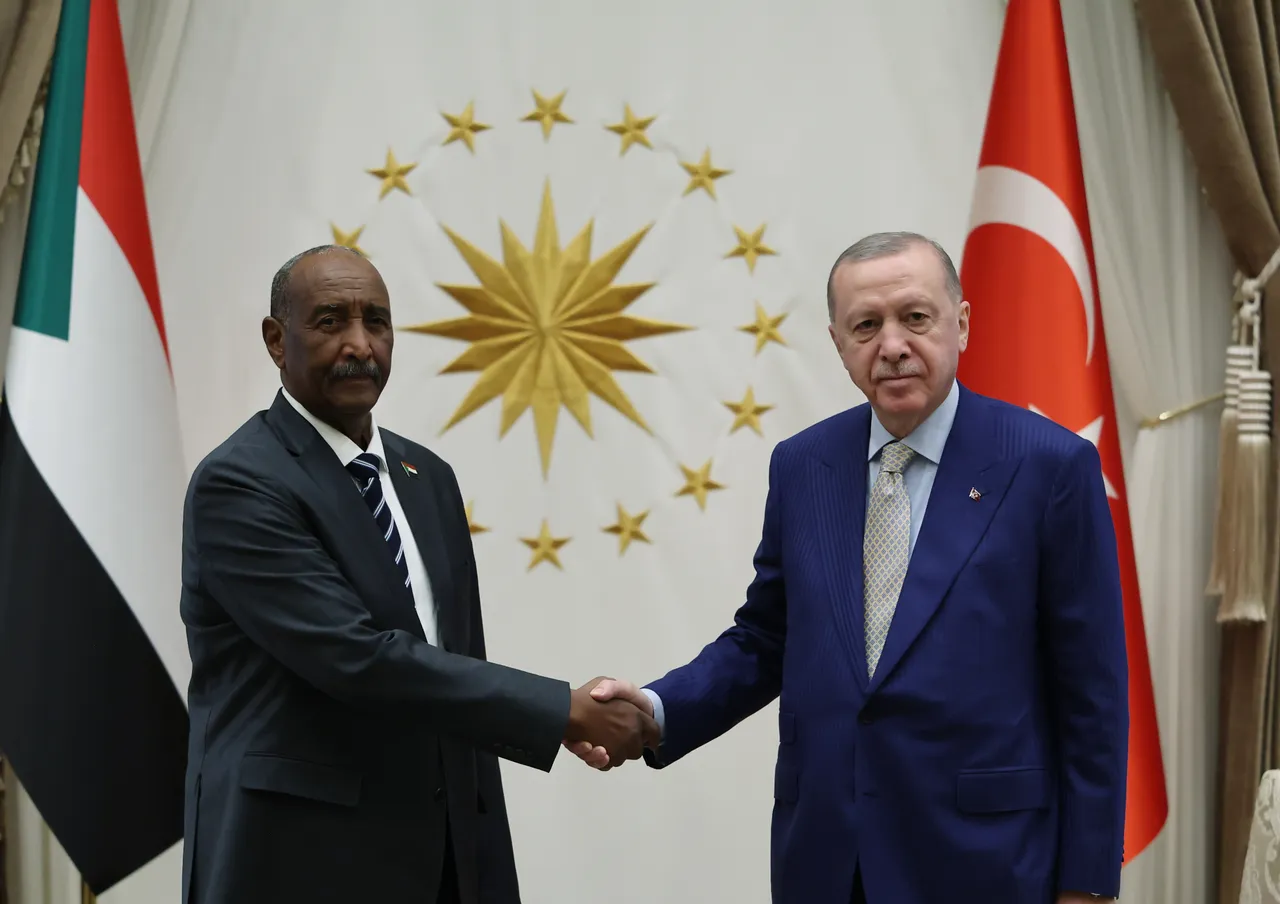
    During a crucial high-level meeting, Turkish President Recep Tayyip Erdogan held discussions with Sudanese leader Abdel Fattah al-Burhan on the worsening conflict in Sudan.

    The fighting has triggered one of the world’s gravest humanitarian emergencies, forcing around 13 million people from their homes.

    Erdogan drew attention to the devastating effects of the war, particularly in areas such as El-Fasher, where reports of widespread human rights abuses continue to emerge. Since the conflict erupted in April 2023, entire communities have been shattered, making the call for urgent action impossible to ignore.

    Turkey has stepped forward with increased humanitarian assistance and plans to deepen cooperation with Sudan in areas such as trade, defence and agriculture. Erdogan underlined the importance of safeguarding peace, stability and Sudan’s territorial unity as the crisis continues.

  • WHO Chief Reflects on 2025: Big Health Wins Amid Tough Global Challenges

    WHO Chief Reflects on 2025: Big Health Wins Amid Tough Global Challenges

    The Director-General of the World Health Organization has described 2025 as a year of notable progress for global health, while also acknowledging serious setbacks caused by funding cuts and ongoing humanitarian crises.

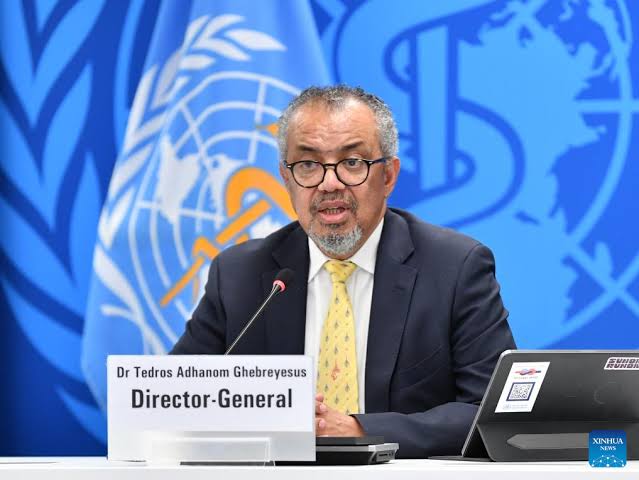
    Tedros Adhanom Ghebreyesus said the approval of the WHO Pandemic Agreement was the most important milestone of the year, describing it as “a strong reminder of what multilateral cooperation can achieve when nations work together instead of pulling apart.”

    He noted that the organisation also certified 13 countries as having eliminated specific diseases, released guidance on major health innovations, including Lenacapavir for HIV prevention and GLP-1 treatments for obesity and responded to 48 emergencies across 79 countries and territories. These responses included crises in Gaza, Sudan and Ukraine.

    At the same time, Tedros highlighted major difficulties, warning that reductions in aid funding could undo decades of health gains. He added that early projections indicate global child mortality may increase for the first time in this century, a development he described as deeply concerning.

  • UN Warns: Al-Shabab Still Biggest Security Threat in Somalia and Kenya

    UN Warns: Al-Shabab Still Biggest Security Threat in Somalia and Kenya

    United Nations experts have warned that al-Shabab remains the most serious and immediate danger to peace and stability in Somalia and across the wider region, including neighbouring Kenya. In a report released on Wednesday, the experts said the extremist group is still capable of carrying out highly coordinated and deadly attacks, despite sustained military pressure from Somali forces and their international partners.

    Linked to al-Qaida, al-Shabab continues to rely on more than just violence. The group runs organised systems of extortion, forced recruitment and propaganda, allowing it to survive and adapt. The report pointed to a failed assassination attempt on Somalia’s president in Mogadishu on March 18 as clear evidence that the group remains a major threat, even in the capital.

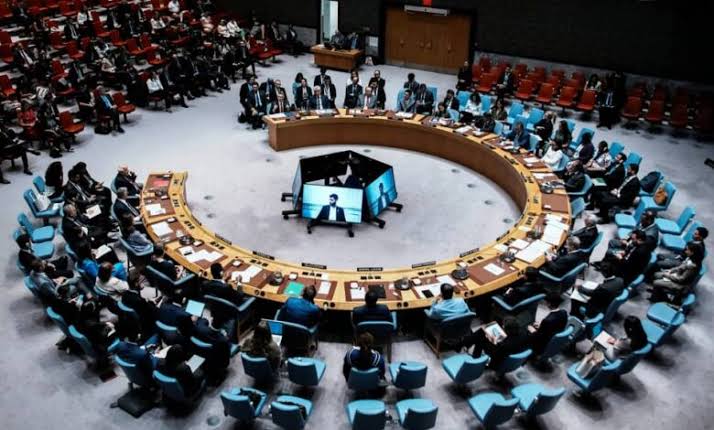
    On Tuesday, the UN Security Council voted to extend the mandate of the African Union peacekeeping mission in Somalia until December 31, 2026. The force, made up of 11,826 personnel, remains central to efforts to stabilise the country and push back against al-Shabab’s influence.

    The threat is also strongly felt in Kenya. According to the report, al-Shabab continues to carry out attacks there, including bombings, abductions and cross-border raids, especially in areas close to Somalia. So far this year, the group has carried out an average of six attacks every month in Kenya.

    The UN panel also expressed concern about the growing presence of Islamic State fighters in Somalia. While smaller than al-Shabab, the group’s steady expansion was described as another serious risk to regional security.