

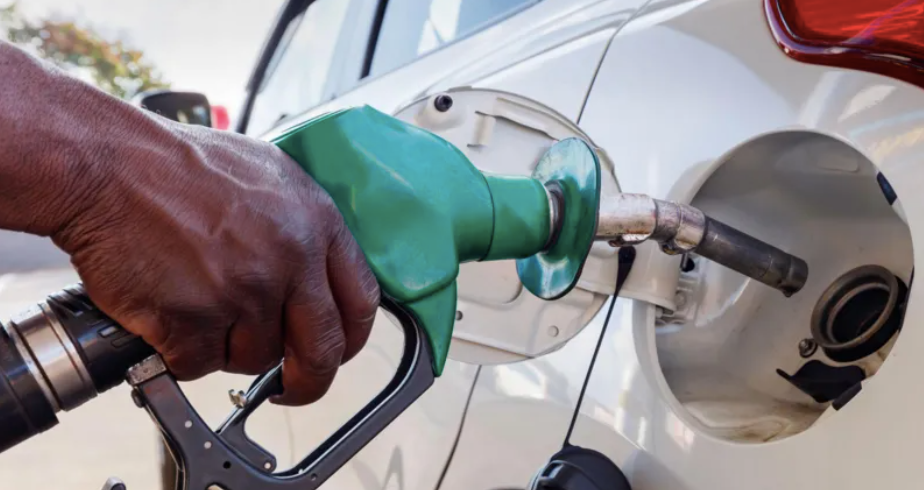
The High Constitutional Court (HCC) has declared Law No. 2026-006, which reorganizes certain downstream petroleum activities, to conform with the Constitution. With this decision, rendered on August 3, 2026, the constitutional judges approved a measure of the State’s energy policy. It permits direct importation of petroleum products by an entity authorized by the Malagasy State. This reform arrives amid persistent tensions in the Middle East. These tensions continue to disrupt global energy markets and create uncertainty. They affect hydrocarbon supplies. For a country like Madagascar, whose fuel needs depend almost entirely on imports, these developments represent a major strategic challenge.
In July 2026, the government declared a state of energy emergency to guarantee the continuity of national supply and preserve the functioning of essential sectors of the economy. The creation of this direct import mechanism is part of a new energy policy. The State aims to strengthen the country’s energy sovereignty, secure supplies, and reduce its vulnerability to international crises. By entrusting a state-authorized entity with a central role in hydrocarbon imports, the law maintains the sector’s openness to private operators. Storage, transport, and distribution activities remain accessible to license holders, who will, however, be required to prioritize their supplies from this public entity.
The High Constitutional Court (HCC) considers this arrangement proportionate to the objective, namely guaranteeing the country’s energy security without compromising the freedom to conduct business. The law also provides for a continuity mechanism. Should the authorized entity become unable to fulfill its responsibilities, other operators would be permitted to directly resume imports to prevent any disruption in supply. The Court upheld the regulated access mechanism for strategic infrastructure, finding that it respects the rights of operators while meeting public service requirements.