

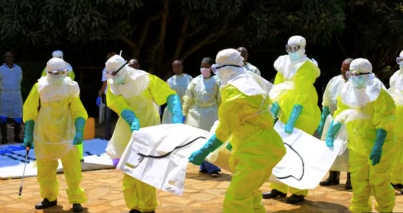
The Democratic Republic of Congo (DRC) is experiencing a critical healthcare crisis as the death toll from the ongoing Ebola outbreak has surpassed 2,000 individuals. This grim milestone was reported on August 12, 2026, with health ministry officials and international partners noting a rapid increase in cases across the eastern provinces. Epidemiologists have expressed concerns that the outbreak is outpacing local containment efforts, which are becoming increasingly strained as the virus spreads faster than response teams can manage.
The World Health Organization and the DRC Minister of Public Health confirmed over 3,100 total cases since the initial outbreak, with the virus primarily spreading in densely populated transit areas such as Beni and Butembo. Health workers are struggling to monitor active transmission chains amidst the displacement of populations fleeing regional conflicts, which complicates their efforts. Additionally, public mistrust and misinformation in rural communities pose significant obstacles, as safe burial practices, essential for controlling the virus, have been met with community resistance and protests.
The security situation adds another layer of complexity; armed rebel groups in the eastern DRC have been attacking community clinics, forcing medical personnel to suspend operations in high-risk areas. In response to the rapidly worsening situation, international aid agencies are dispatching emergency supplies, including experimental treatments and next-generation vaccines. Specialized teams are facing increasing pressure to ensure the delivery of temperature-sensitive vaccines to remote locations, and local medical workers are receiving priority for booster doses to sustain clinic operations.
Local civil society leaders advocate for a reformed approach to how the international community funds and manages the medical response. They contend that the presence of heavy military escorts can deter families from seeking necessary care and testing. Public health experts agree that gaining the trust of local communities through health committees is crucial for isolating new cases and controlling the outbreak effectively.
As emergency discussions take place in Kinshasa, neighboring countries, such as Rwanda and Uganda, have ramped up border health screenings to prevent the virus from crossing into their territories. The DRC government is under significant economic and political pressure to stabilize the eastern regions before the outbreak reaches major international transportation hubs. For ongoing updates, including real-time epidemiological data and vaccine distribution maps, reports are accessible through Africanews and the UN OCHA Humanitarian Data Exchange.