

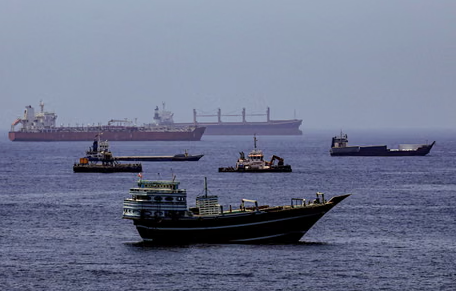
The severe economic and military deadlock gripping the Middle East may be approaching a critical turning point as Iran and Oman edge toward a finalized bilateral agreement to reopen the Strait of Hormuz. Iranian Foreign Ministry spokesperson Esmaeil Baghaei confirmed that negotiators have finalized the precise geographical coordinates for a temporary commercial shipping route designed to revive trade through the heavily mined chokepoint. The strategic channel, which historically carries approximately one-fifth of the world’s petroleum supply, has been effectively choked off since a regional war erupted between the United States and Iran in February.
Under the terms of the draft agreement awaiting approval from Iran’s leadership, commercial vessels would enter the Persian Gulf via Iranian territorial waters and exit along a southern corridor through Omani territory. This proposed arrangement marks a dramatic structural departure from decades of maritime tradition by granting Tehran unprecedented authority over passing vessels. However, Iranian officials have cautioned that the agreement is contingent on “third parties” not obstructing the process. Senior Iranian diplomats maintain that a bilateral pact alone will not restore absolute security to the waterway unless Washington halts its active naval blockade of Iranian ports.
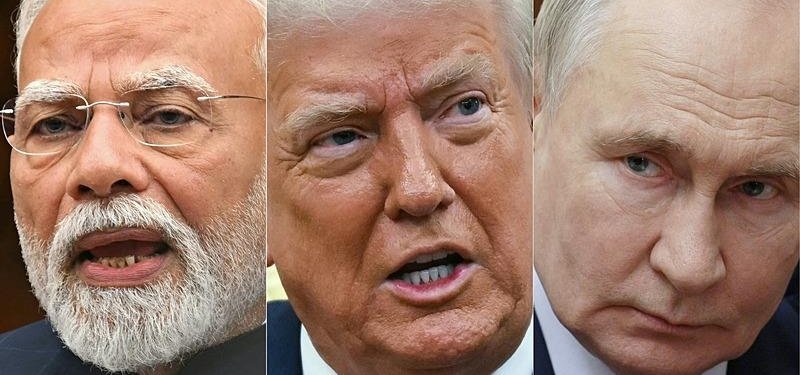
Simultaneously, U.S. President Donald Trump has injected a different narrative into the crisis, teasing that a broader diplomatic breakthrough between Washington and Tehran could materialize within days. In public remarks delivered in Las Vegas, Trump noted that global fuel prices have begun descending from wartime highs, though he warned that the U.S. remains prepared to escalate financial or military pressure if negotiations fail. Despite the administration’s optimistic talk of an imminent grand bargain, Iranian state media has consistently denied engaging in any direct negotiations with the United States, insisting that Muscat remains their sole diplomatic channel.
Compounding the geopolitical tension are intensifying domestic questions regarding the Pentagon’s logistical capacity to sustain the war effort. Following reports that intense conflict conditions had significantly depleted American missile stockpiles, President Trump vehemently rejected claims of a munition shortage, asserting that the U.S. military commands “massive amounts” of ordnance. Trump forcefully rebuked defense leaks and promised a swift investigation to hunt down the military officials responsible for spreading what he characterized as a false narrative of American vulnerability.