

At that time, the Rwandan’s income will have increased significantly to $12,476, or about 18 million Rwf, unemployment is negligible because it will be 0.05% from 7% in 2035, no home will be without water and electricity and everyone has the hope of living at least until the age of 73.
This is the Rwanda everyone wants and dreams of living in, and the young people are very fortunate to be provided with these benefits.
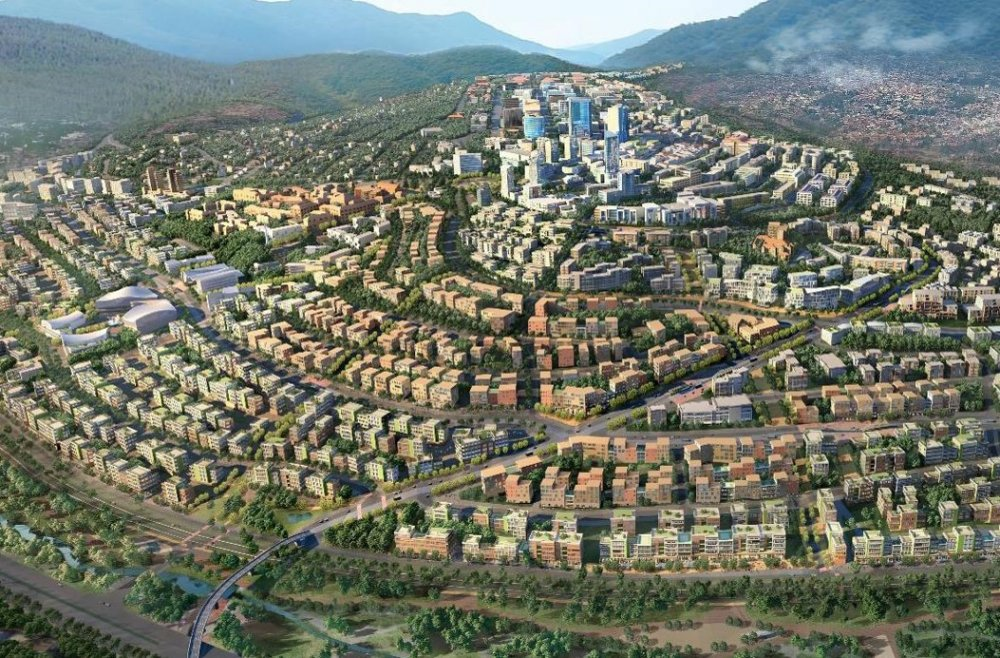
For those who will live in the City of Kigali, things will have changed even more. It is a City that is expected to see significant development in the coming years, based on a master plan in line with that vision.
Many projects are planned that will focus on developing infrastructure, the economy and the well-being of the population as the primary beneficiaries.
The most recent population and housing census showed that in 2022 the City of Kigali was inhabited by 1.7 million people, and the number is expected to continue to increase, reaching 3.8 million in 2050.
Among the ideas is to address the housing shortage problem by building model villages that will make life easier for city dwellers.
This master plan envisions the City of Kigali as a regional and international investment hub, and to achieve this, key areas will be targeted, such as the city center in Nyarugenge, the Remera sports and entertainment complex, the Kimironko center, and Gahanga.
Nyarugenge in the next 25 years
Every city has its own center, which is why you will hear someone from Nyamirambo, Remera or Gahanga telling you that they are going to the city. If you live in the provinces, don’t be surprised because they are talking about what they know. This means that they will be going to the city center in Nyarugenge, home to high-rise buildings like KCT, M-Peace Plaza, Grand Pension Plaza and others.
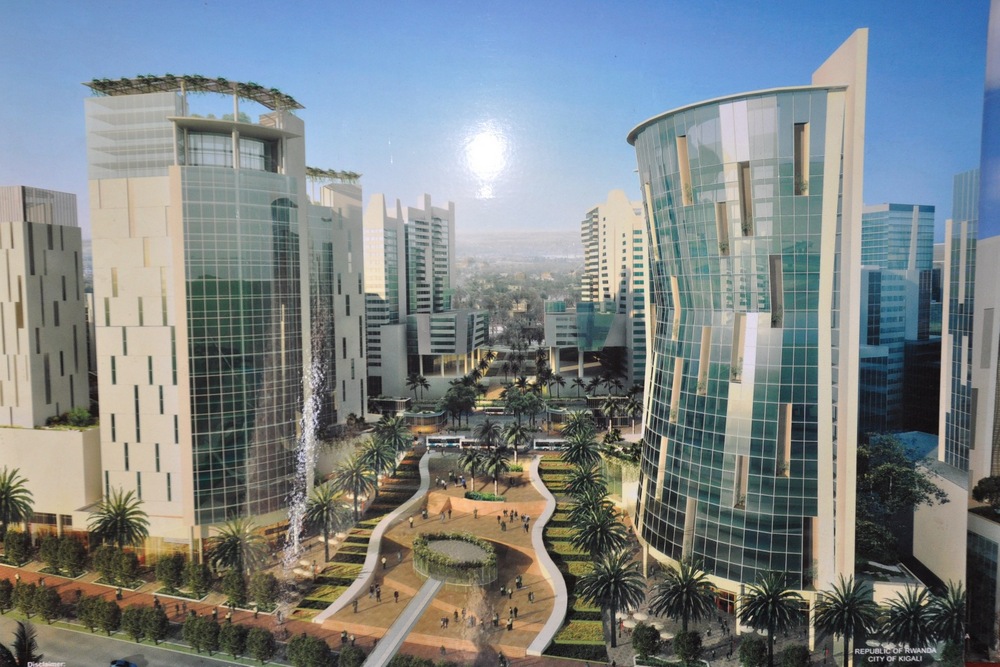
This area, known in English as the CBD (Central Business District), apart from being a car-free zone, also has a space dedicated to pedestrians (car free zone) that allows them to enjoy the beauty of the city freely; whether they are walking, having fun or requesting various services.
The 2050 master plan shows that places that bring together many people freely will be increased and that they are expected to be a catalyst for the development of surrounding activities, as well as preserving the environment.
As the population increases year by year, transportation infrastructure such as bicycles will be upgraded to accommodate the increasing number of users.
This master plan shows that the downtown roundabout at Muhima will be transformed into a special area with gardens, pedestrian paths, and a non-motorized zone.
It is planned that the roundabout will be equipped with a temporary parking area for public transport vehicles, so that people can easily enter the city center.
At Sainte-Famille (below the roundabout), plans are underway to build an art gallery that will house cultural activities, and to renovate the 1994 Genocide Memorial in front of the church.
A pedestrian walkway will be built connecting the city to Muhima down to the marsh, surrounded by gardens, shops, a market and a cultural lighting.
It is planned that the commercial part of the city, Quartier Matheus, will be renovated with the aim of adding recreational activities, pedestrian walkways and temporary parking areas.
The master plan shows that the redevelopment of this area aims to combine commerce and culture, as it will preserve the image that has been there for many years.
Currently, ‘Imbuga City Walk’ is the only pedestrian-only route in this area. It is planned to connect it with other new routes that will be developed in three other directions in the city center.
The cultural section in the city center will connect all these pedestrian routes. Those who leave it will be able to continue on the path to the areas around the Muhima swamp, Downtown and Nyabugogo.
The Cultural Quarter project aims to renovate the city center while preserving its historical significance. The idea is to mix old and new buildings and create a place where people can walk, socialize, relax, and shop.
Trees will be planted along the paths between the buildings to create a fresh air and a beautiful view.
The Madina Mosque, located in the city center, behind the M-Plaza buildings, is one of the most important cultural landmarks of the Muslim community. It is planned to build a building in front of it that will host various cultural activities.
Nyabugogo will always have a WORD
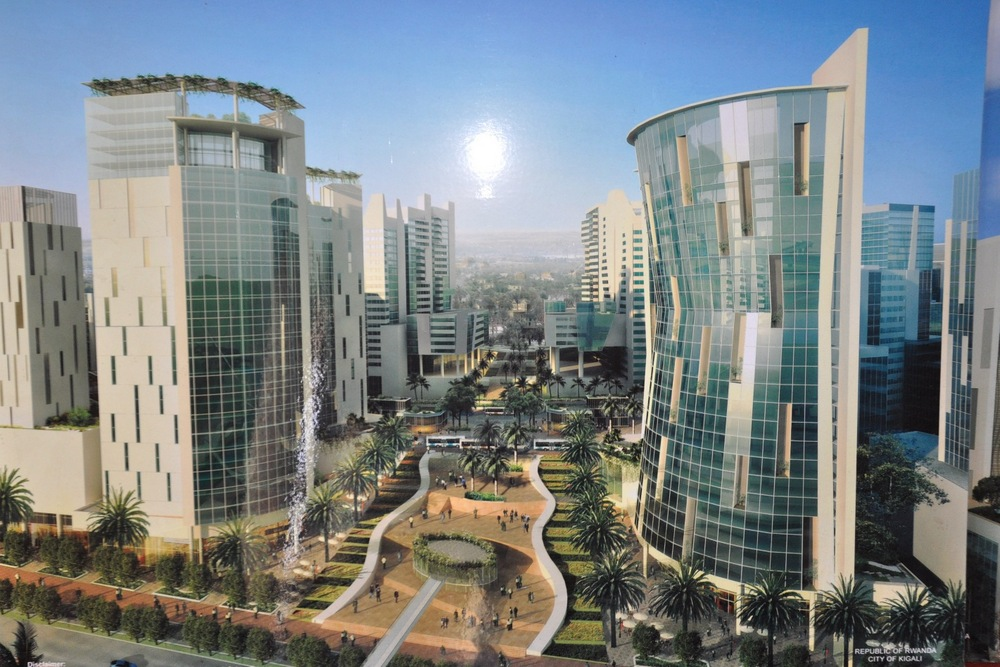
Nyabugogo Station is the most used in the country because it connects people from all provinces and other major cities in the region such as Kampala in Uganda, Nairobi in Kenya, Dar es Salaam in Tanzania and Bujumbura in Burundi when the connection is good.
The Kigali City administration indicates that some of the obstacles to the provision of services at Nyabugogo Station include its small area, which is constantly congested with vehicles and passengers.
The master plan foresees that Nyabugogo Station will be renovated, upgraded to an international standard so that it will receive passengers and be satisfied as they do when they arrive at Kigali International Airport.
As part of the program to renovate the City of Kigali and develop it sustainably, Nyabugogo and Muhima will be given a new look through major projects aimed at improving housing, transportation, the environment and entertainment.
In addition to rehabilitating the Nyabugogo swamp, in Tetero and Kabeza Cells located in Muhima Sector, there are plans to build houses for local residents, in order to help them find modern and affordable housing.
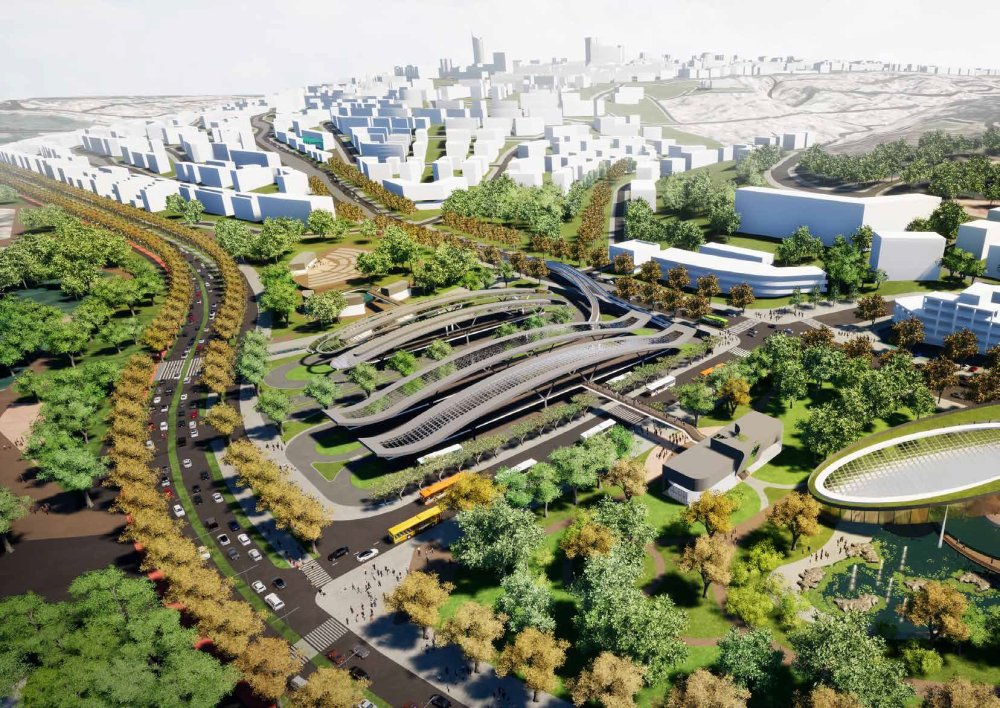
The Nyabugogo wetland will be an integrated site, with a new modern park, gardens, pedestrian walkways and a designated area for vehicles. The project will be accompanied by activities to protect the wetland and transform it into a park suitable for the city.
In the Nyabugogo area, ‘Mpazi Park’ will also be built, which will include a building with a recreational area on top, a recreation area with playgrounds and a garden with special trees and plants. This will be connected by pedestrian walkways and roads.
Along the Mpazi River, a pedestrian walkway will be built that will connect a temporary parking lot with public transport vehicles and the southern part of the Akabahizi Cell in Muhima. All activities will be surrounded by commercial activities.
It is planned that the pedestrian walkway on the Mpazi side will end at a building where a small commercial building will be built, along with other public services needed by the residents.
Sports and entertainment center in Kimironko
Remera is known for its sports and entertainment infrastructure such as the 40,000-capacity Amahoro Stadium, B.K Arena, Petit Stade, Zaria Court, the National Heroes Cemetery, Regina Pacis Church and the Faculty of Medicine of the University of Rwanda; formerly known as KIE.
In order to combine sustainable development with culture, the area where the Amahoro Stadium is located will be modernized, bringing together Rwandans and visitors in various activities including concerts and festivals. Business owners will also benefit because they will be their customers.
In order to reduce the traffic congestion in the Gisimenti area, it is planned to build a high-rise building with space to park up to 300 cars. This will ease the movement of shoppers, residents and public transport vehicles that park on the road for a short time.
Some of the old buildings around the Amahoro Stadium will be transformed into a cultural center, as it will include a library, a museum and a hall for various activities including conferences and other events that bring people together.
Across Remera, there is Kimironko Market, one of the oldest markets in Kigali city. Its capacity does not match the number of customers and the development that the country has achieved, which is why there is a plan to renovate the entire Kimironko center.
The renovation of Kimironko Market will be combined with the renovation of the local bus system in order to facilitate public transportation services, and to make it easier for residents and visitors to get to this center.
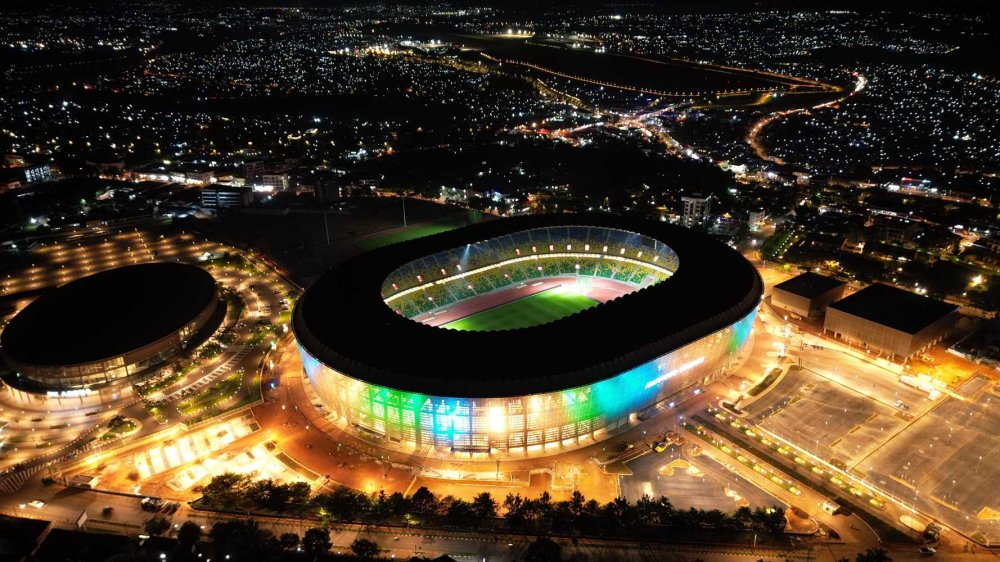
In the renovation of Kimironko Market, the traditional trading or trading methods will be preserved but a modern commercial section will also be established. All this will go hand in hand with the renovation of the surrounding activities, all of which are integrated into this center.
It is planned that the ground floor of this building will be used for shops and other commercial spaces so that customers will not miss out on essential services.
The area where the UNAIR building is located will be renovated, and a new commercial building and hotel will be built. There will be space for car parking.
Gahanga Airport is located in Kicukiro District and is the gateway between Kigali and Nyamata town in Bugesera District. It is a commercial hub, but it is also home to an international cricket stadium.
The master plan shows that Gahanga will be a hub for business and innovation, attracting domestic and foreign investment. The development will be integrated with the existing Bugesera Airport to ensure that users will not be left behind.
Gahanga will be a hub for cultural development, hosting concerts and festivals, as well as a museum and residential area.
Gahanga Airport will be a hub for a variety of activities including commerce, entertainment, and environmental conservation.
A 4.6-hectare area will be developed and dedicated to technology centers, where residents will meet and brainstorm new ideas based on technology.
The buildings will be surrounded by trees and will be built in an environmentally friendly manner. There will be a pedestrian walkway connecting this area to the Gahanga wetland.
The commercial area will be the heart of Gahanga. It is planned to be dominated by commercial buildings, offering a wide range of services, including offices.
In the center, near the Gahanga square, there will be public parking lots for short-term use.
The Gahanga square will be surrounded by shops, restaurants and large commercial buildings. It will consist of information areas, cafes, an art gallery and a garden area. It will be surrounded by gardens and recreational areas.
It is planned that a recreation area will be created in Gahanga, consisting of an open space for recreation, a building for its activities, a museum, a restaurant, a market and a hotel.
A pedestrian path will be built connecting the Gahanga wetland, the local museum, the art gallery and the recreation area, so that tourists can take time to visit the ecosystem.
A short distance from Gahanga, there is a section dedicated to the Gikondo International Exhibition and Convention Center. It is planned to renovate it, to build a building to host international conferences and a modern exhibition space.
The analysis conducted showed that the Gikondo section where the exhibition is located is in a very good location, especially in terms of transportation of goods and people, so in 2050 it is expected to be one of the main pillars of the Kigali economy, and to achieve this, it will need to be provided with all the necessary facilities.
A project is planned to develop this section in such a way that it will combine various activities, transportation, housing and environmental protection.
A large and modern building will be built in Gikondo to host conferences and other various activities. There will be a hotel and a space dedicated to commercial activities, and the environment will be preserved.
Buildings will be constructed to host exhibitions and fairs, cultural activities and concerts. There will be a parking lot for visitors.
Next to the exhibition and fairgrounds, there will be a park planted with Kinyarwanda trees. It will be visited by residents and expo attendees, for walking and relaxing.
A pedestrian path will be built from the international conference building, continuing through the marsh; there will be a beautiful flower garden, seating areas, and areas for sports such as running and cycling.
The area dedicated to the exhibition and fairgrounds will be surrounded by commercial activities and various services, including hotels. There will be no shortage of essential services.