

A major step toward uncovering one of France’s darkest colonial-era atrocities was taken on Thursday when investigators presented an official report to Senegalese President Bassirou Diomaye Faye. The document, which remains confidential for now, aims to shed light on the 1944 Thiaroye massacre, where French troops killed African soldiers who had fought for them in World War II.
Although most of those responsible have long passed away and France no longer rules in West Africa, the findings may reignite calls for reparations from the descendants of those slain. Excavations have been ongoing since May at the Thiaroye military camp, where dozens, possibly hundreds of soldiers were gunned down while protesting unpaid wages and mistreatment.
“This white paper is a crucial step in restoring historical truth,” President Faye said during a ceremony attended by Prime Minister Ousmane Sonko and top officials. He emphasized that the report was “built on solid evidence from both Senegalese and French archives,” lending it strong credibility.
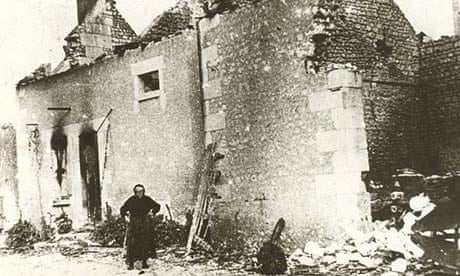
Roughly 1,300 African soldiers, many from Senegal, Mali, Ivory Coast, and Burkina Faso were brought to Thiaroye in November 1944 after being freed from German captivity. Their frustration over unpaid salaries and discrimination escalated into a confrontation on December 1, when French troops opened fire, killing numerous men.
While French records claim only 35 deaths, many historians and witnesses dispute that figure. Ongoing excavations have unearthed human remains with bullet wounds, deepening the push to identify victims and uncover their burial sites.
President Faye vowed to keep the search going across all suspected mass grave locations, declaring, “Historical truth is not proclaimed, it is uncovered, one excavation at a time.”France officially recognized the Thiaroye massacre in November 2024, eighty years after the killings, marking a long-awaited acknowledgment of an atrocity that had been buried in silence for decades.