


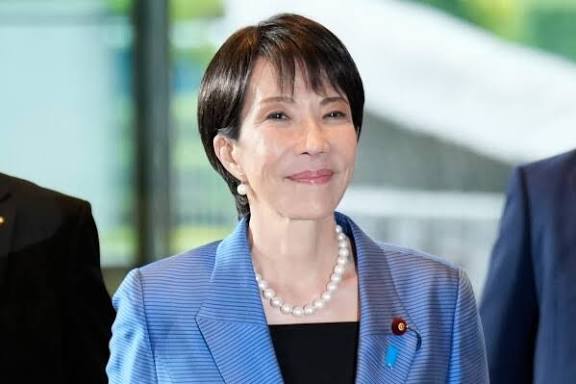
In a historic move, Japan’s parliament has chosen ultraconservative politician Sanae Takaichi as the country’s first-ever female prime minister, following her election as leader of the ruling Liberal Democratic Party (LDP).
Takaichi takes over from Shigeru Ishiba, who resigned after the LDP suffered a major defeat in the July elections, a loss largely tied to a slush fund scandal that rocked the party.
Her election came just a day after the LDP formed a coalition with the right-wing Japan Innovation Party, a move expected to shift the ruling bloc further to the right politically.
This new partnership was formed after the LDP’s split with its long-time ally, the Komeito Party, known for its centrist and pacifist stance. The fallout had threatened to unseat the LDP, which has dominated Japanese politics for decades.
Takaichi narrowly secured victory with 237 parliamentary votes, just four more than the required majority, while opposition leader Yoshiko Noda of the Constitutional Democratic Party of Japan earned 149 votes.
Despite the win, the new coalition lacks a majority in both houses of parliament, meaning Takaichi will need support from other opposition groups to pass key legislation, a challenge that could make her administration fragile and short-lived.
Japan’s new leader faces immediate pressure. Within days, Takaichi must deliver a major policy address, hold talks with U.S. President Donald Trump, and attend regional summits. She’s also expected to address rising living costs and draft economic relief measures before year’s end to ease public anger.
A protégé of the late former Prime Minister Shinzo Abe, Takaichi is expected to continue his nationalist and pro-defense policies, including efforts to strengthen Japan’s military and amend the country’s pacifist constitution.
While her rise marks a historic milestone for women in Japanese politics, Takaichi herself has opposed several gender equality reforms, including same-sex marriage, dual surnames for married couples, and female succession in the imperial family.
Her leadership, while groundbreaking in gender terms, is set to fuel both praise and controversy as Japan enters a new political era under its first woman prime minister.