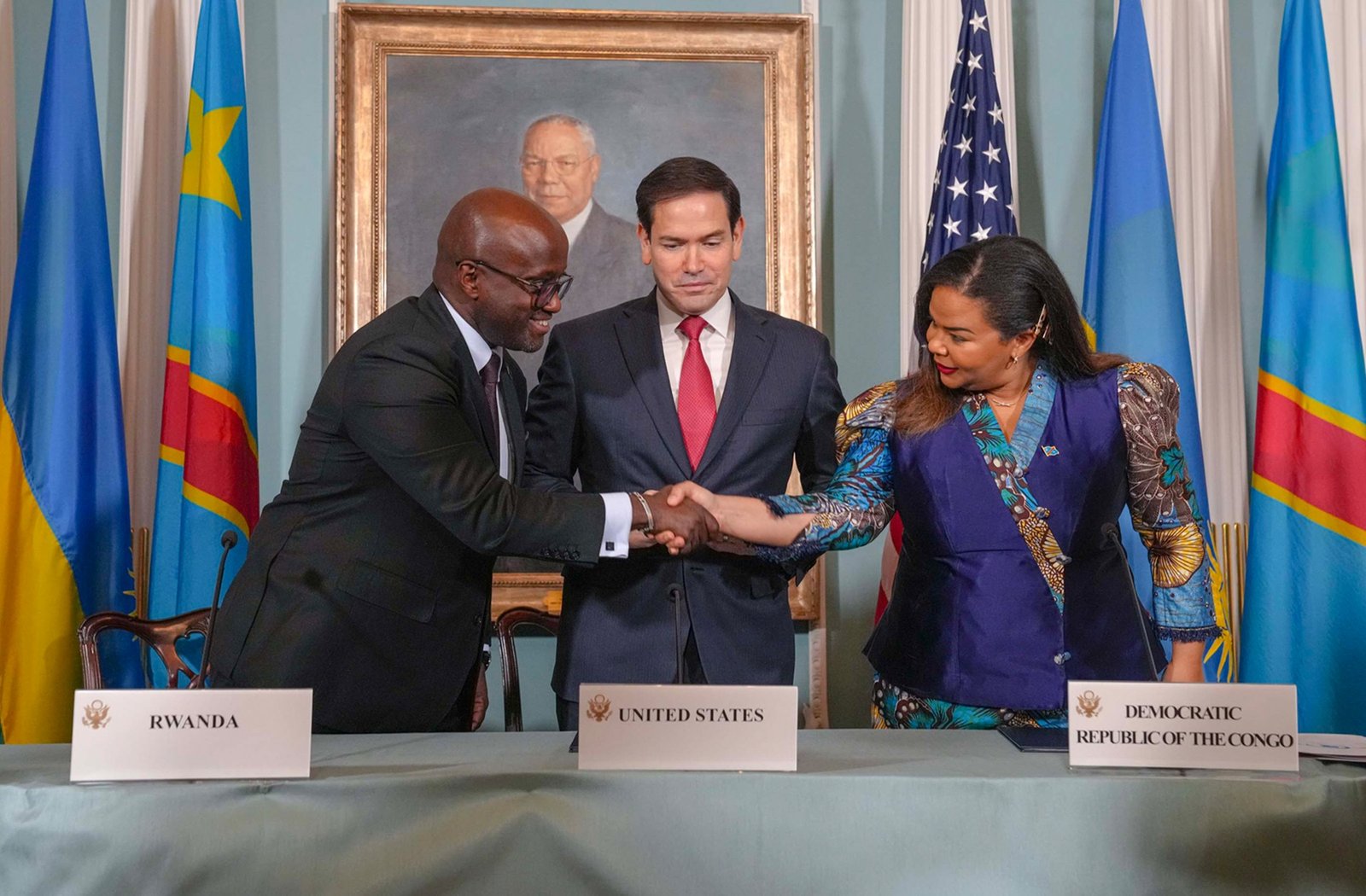


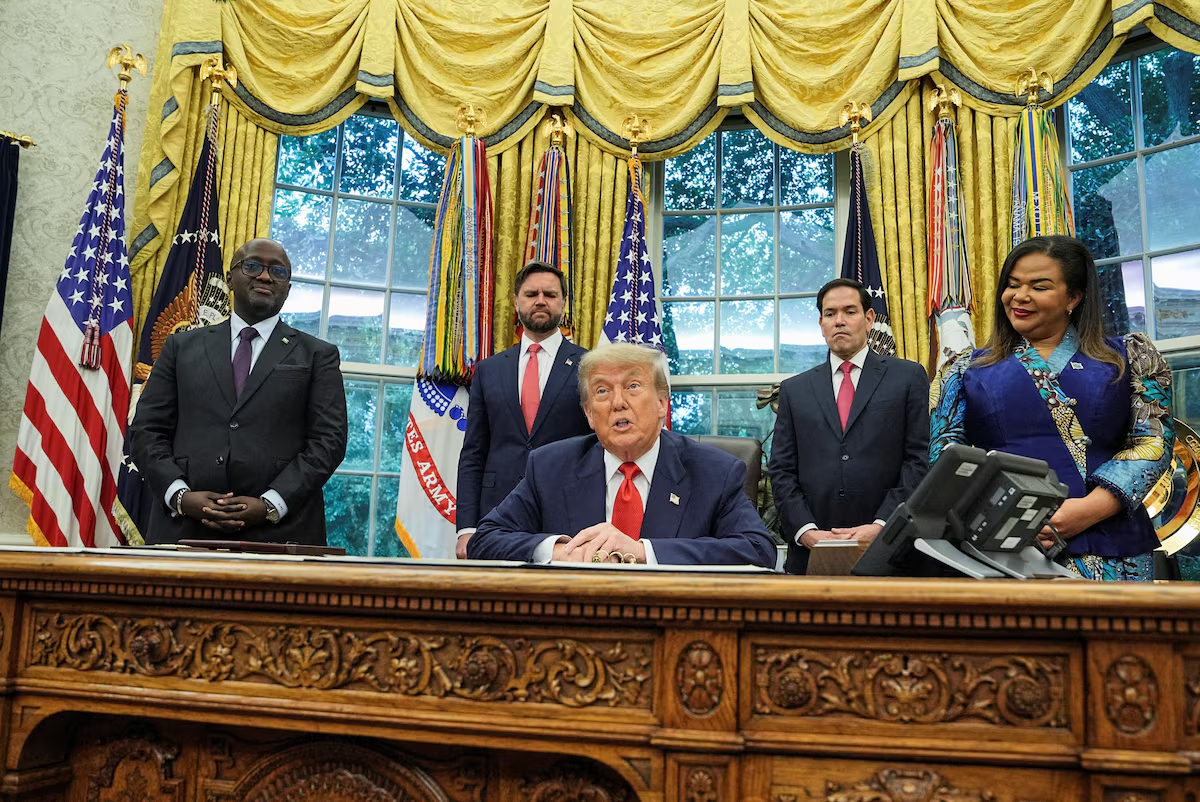
The Democratic Republic of Congo and Rwanda announced on Friday that they had reached an economic agreement in Washington, part of U.S. President Donald Trump’s efforts to advance a peace deal and attract Western investment to the region.
Reuters earlier reported that technical teams from both delegations had initialed the Regional Economic Integration Framework (REIF) on Friday. The State Department said the REIF “outlines key areas for fostering economic cooperation and development between the two nations,” following a meeting of a joint oversight committee.
The framework is expected to be signed by the two heads of state during a visit to the White House, though the exact date remains unconfirmed. The presidents were tentatively expected to meet on November 13, but sources indicated that the date was never finalized.
Implementation of the agreement is dependent on the successful execution of a prior deal, including the withdrawal of Rwandan troops from eastern Congo and military operations to neutralize the Congo-based armed group Democratic Forces for the Liberation of Rwanda (FDLR).
Last month, the signing of the economic deal was delayed, marking a setback in Trump’s ambitious plan to broker peace and channel billions of dollars in Western investment into a region rich in tantalum, gold, cobalt, copper, lithium, and other minerals.
In June, Congolese and Rwandan foreign ministers signed a peace deal in Washington, which included a commitment to implement a 2024 agreement requiring Rwanda to lift defensive measures in eastern Congo within 90 days. Congolese military operations against the FDLR, a group comprising remnants of Rwanda’s former army and militias linked to the 1994 genocide, are scheduled to conclude within the same timeframe.
Friday’s statement emphasized that the oversight committee “recognized lagging progress and committed to redouble efforts to implement the Washington peace agreement,” noting that both countries had agreed on specific near-term military actions to move the process forward.