

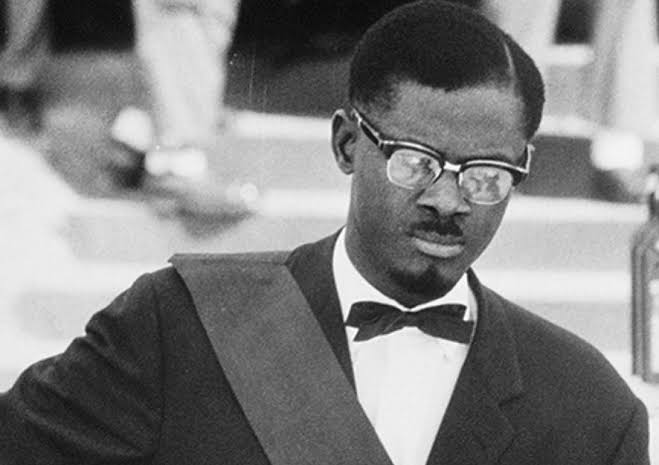
Patrice Lumumba, from the Democratic Republic of Congo, was a courageous leader whose vision and determination helped shape modern Africa. Born in 1925, Lumumba grew up under Belgian colonial rule, where Congolese people faced oppression, forced labor, and a lack of political freedom. Witnessing these injustices fueled his passion for independence and equality.
In 1960, Lumumba became the first Prime Minister of an independent Congo, leading the country to freedom after decades of colonial rule. He emphasized the importance of unity, African identity, and self-determination.
Lumumba believed that Africa’s strength lay in its people and resources, and he called on other African nations to resist neocolonial control.
Although his time in office was short due to political conflicts and interference from foreign powers, Lumumba’s impact was enormous. He became a symbol of African liberation and inspired generations of leaders across the continent to fight for independence and justice. His speeches and writings emphasized human dignity, national pride, and the power of unity.
Lumumba’s influence extends beyond Africa. Around the world, he is remembered as a voice of courage, standing against oppression and inequality. His life inspired the global Pan-African movement, promoting solidarity among nations and peoples who sought freedom from colonial rule.
Even today, Patrice Lumumba remains a symbol of hope and resilience, reminding the world that one person’s commitment to justice and freedom can inspire a continent and shape the course of history.