


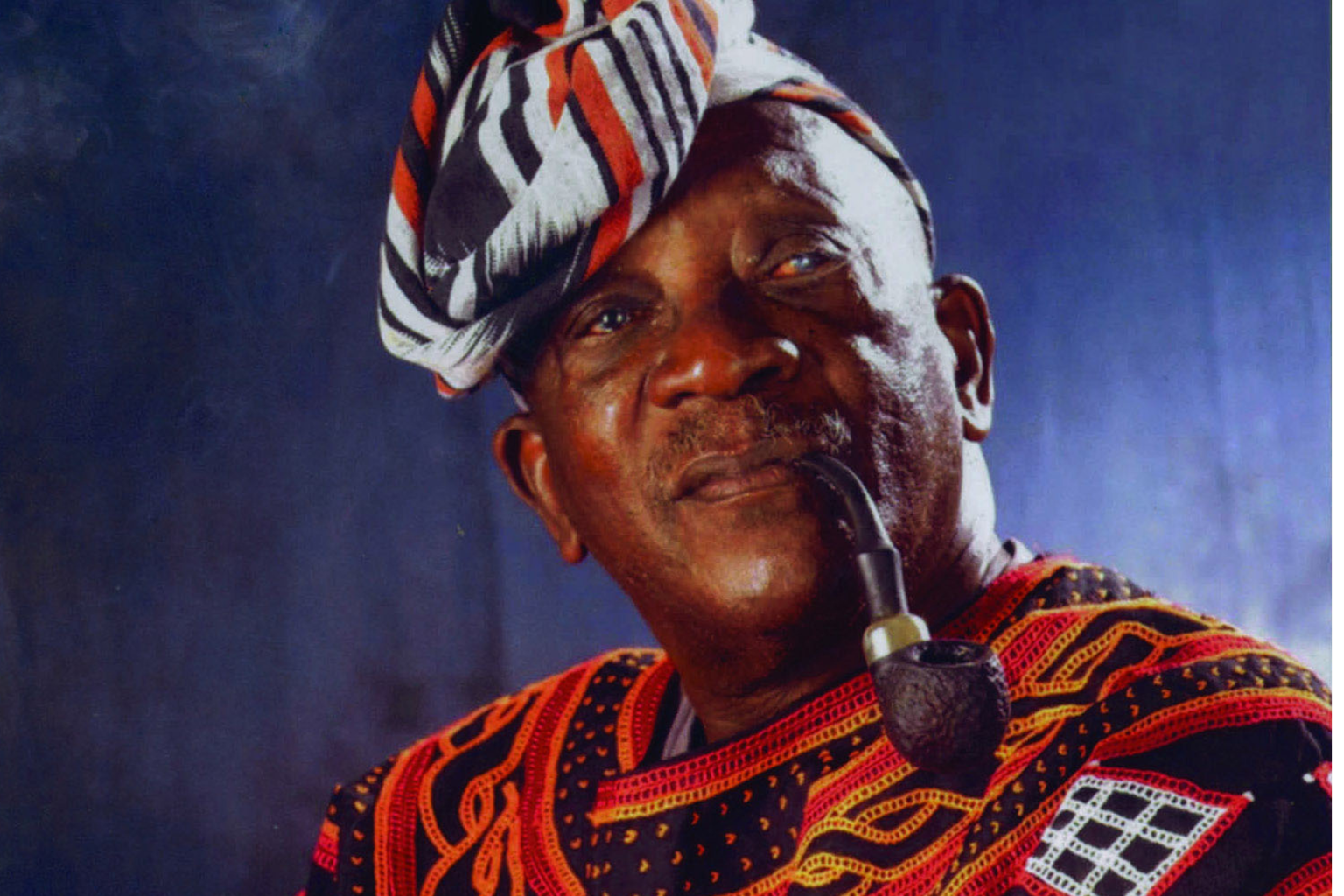
Ousmane Sembène was an African who made a lasting difference in culture and storytelling. He was from Senegal, a West African country, and is widely known as the “father of African cinema.”
Born in 1923 in Ziguinchor, Senegal, Sembène grew up during the colonial period, when African voices were often ignored or misrepresented. Instead of accepting this silence, he used art as a weapon for truth.
He began as a writer, telling powerful stories about African life, colonial oppression, social injustice, and the struggles of ordinary people. His novels gave Africans a voice at a time when few were heard.
Sembène later turned to filmmaking because he believed movies could reach more people, especially those who could not read. Through films like Black Girl, Xala, and Moolaadé, he challenged harmful traditions, corruption, gender inequality, and the effects of colonialism. His work boldly defended African dignity and questioned systems that oppressed women and the poor.
One of his greatest cultural impacts was how he portrayed Africa through African eyes. At a time when Africa was often shown negatively by outsiders, Sembène told authentic stories rooted in African languages, traditions, and realities. He helped the world see Africa as a continent of depth, culture, and strong voices.
Globally, Ousmane Sembène inspired generations of African writers, filmmakers, and artists to tell their own stories without fear. His work is studied in universities around the world and continues to influence global cinema.
Through courage, creativity, and cultural pride, Ousmane Sembène reshaped African storytelling and left a powerful mark on world culture.