

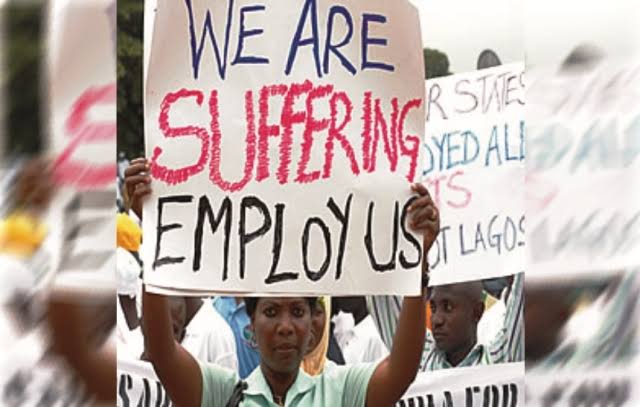
Unemployment is one of Africa’s biggest challenges. Millions of young people graduate every year but struggle to find jobs. This problem affects economic growth, social stability, and the overall quality of life. African leaders have a key role to play in reducing unemployment, and there are practical steps they can take.
First, leaders can invest in education and skills training. Schools and universities should teach skills that match the needs of the job market, such as technology, agriculture, and entrepreneurship. Vocational training programs can prepare young people for real jobs, making them more employable.
Second, leaders can support small businesses and startups. By providing loans, grants, and tax incentives, governments can encourage entrepreneurship. Small businesses create jobs for local communities and can grow to become major employers.
Third, leaders can invest in infrastructure and public projects. Building roads, bridges, and renewable energy systems creates jobs immediately while also attracting private companies to invest, which in turn generates more employment.
Fourth, promoting agriculture and manufacturing is essential. Africa has abundant land and resources. Modernizing farming and expanding local production can create millions of jobs and reduce dependence on imports.
Finally, leaders should create policies that encourage private-sector growth and foreign investment. Stable governance, clear regulations, and incentives attract investors who bring jobs and skills to the continent.
By focusing on education, entrepreneurship, infrastructure, and smart policies, African leaders can reduce unemployment, empower youth, and build a stronger, more prosperous continent.