

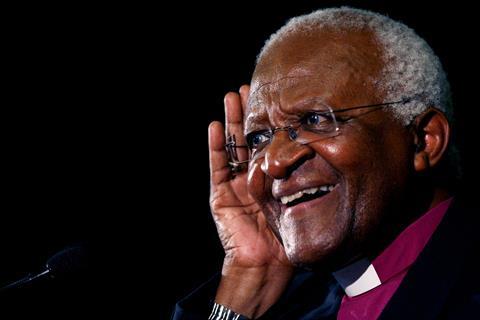
Desmond Tutu, from South Africa, remains one of the most influential Africans in modern history. Born in 1931 in Klerksdorp, he witnessed the deep injustices of apartheid, a system that divided people by race and denied basic rights to Black South Africans. Instead of responding with violence or silence, Tutu chose a different path: peace, courage, and moral leadership.
As an Anglican archbishop, he used his platform to speak out against oppression when many were afraid to do so. His words gave hope to millions who lived under discrimination. He became known for his gentle but powerful messages of unity, equality, and forgiveness. His work helped draw global attention to the cruelty of apartheid, and he encouraged world leaders to take action.
After apartheid ended, Tutu played a major role in rebuilding the nation. He chaired the Truth and Reconciliation Commission, where victims and offenders shared their stories. Instead of revenge, Tutu encouraged forgiveness and healing. This approach inspired countries around the world to use truth and reconciliation instead of conflict.
Desmond Tutu also worked internationally as a peace ambassador. He fought for LGBTQ+ rights, children’s rights, women’s empowerment, and climate justice. His voice crossed borders and influenced global conversations about human dignity.
In 1984, he received the Nobel Peace Prize for his work in promoting peaceful resistance to injustice.
Desmond Tutu showed that real leadership is not about power or fame, it is about compassion. His life teaches the world that kindness, fairness, and courage can transform societies and create lasting change.