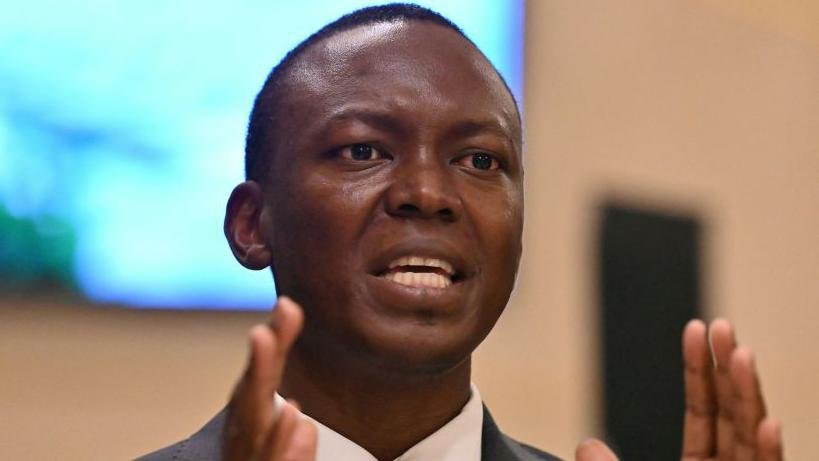


International mediators and humanitarian agencies have issued urgent calls for de-escalation in the Democratic Republic of Congo (DRC) following the death of Lt. Col. Willy Ngoma. The killing of the M23’s most visible official has sent shockwaves through a fragile peace process and raised fears of a renewed, all-out regional conflict.
Washington and Doha Call for “Strategic Patience”
The U.S. State Department and Qatari mediators—who only recently brokered a ceasefire in Doha—expressed “deep concern” over the potential for the strike to derail ongoing negotiations.
In a statement, a U.S. spokesperson noted:
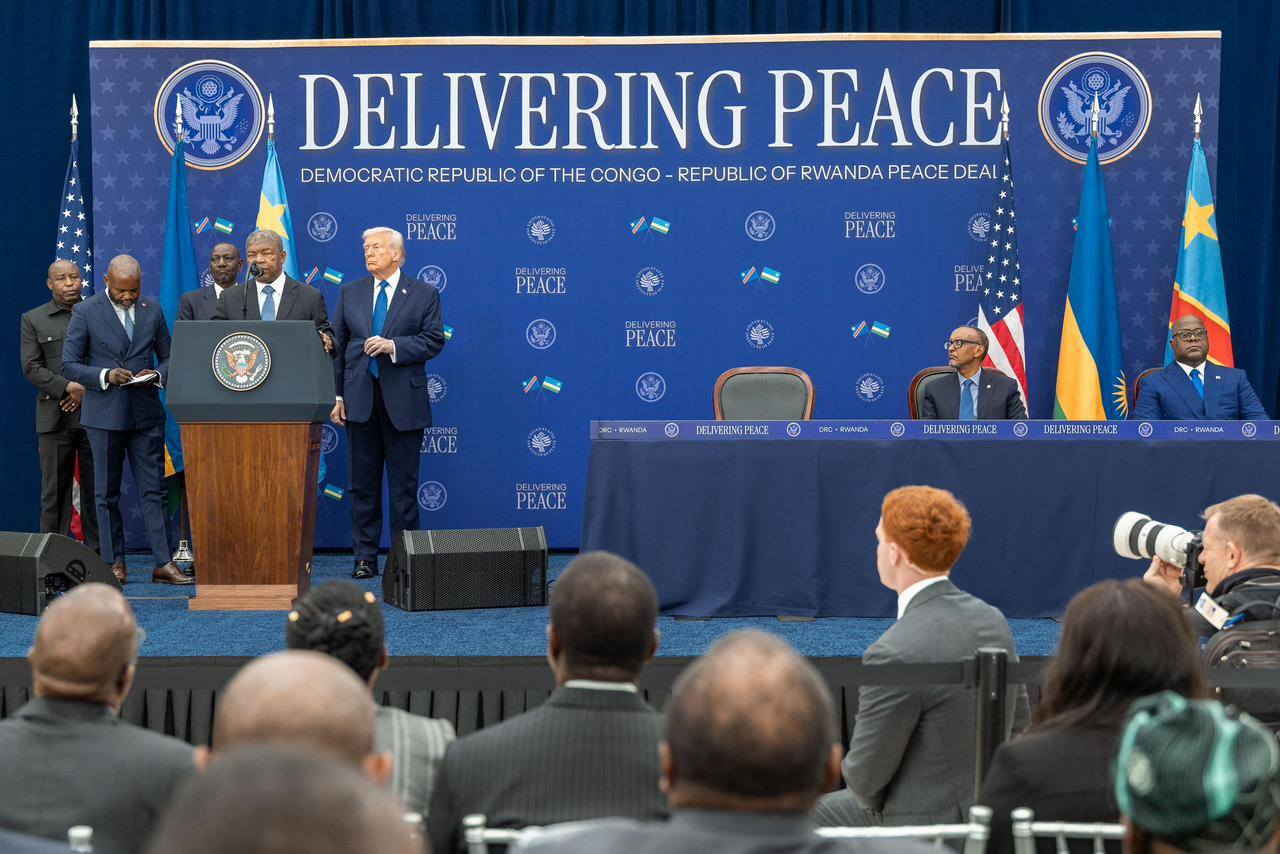
“While we have consistently condemned the M23’s actions and sanctioned individuals like Willy Ngoma for human rights abuses, we believe a military solution alone will not bring lasting peace. We urge all parties to honor the Washington Accord and return to the monitoring mechanisms established in December.”
Privately, Western diplomats have expressed frustration that the strike occurred just as technical teams were finalizing a joint verification mechanism to oversee the withdrawal of foreign forces from the region.
UN Fears Humanitarian Retaliation
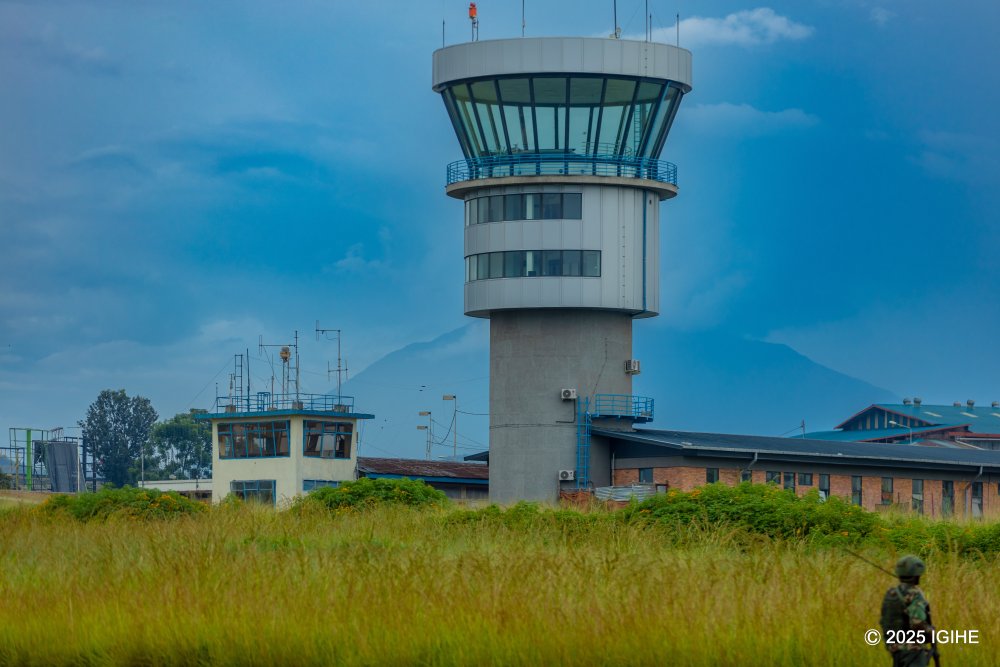
The United Nations Mission in the DRC (MONUSCO) has placed its blue helmets on high alert in North Kivu. A senior UN official, speaking on condition of anonymity, warned that the death of a “voice as central as Ngoma’s” could lead to a leadership vacuum or, more likely, a series of retaliatory attacks on civilian centers near Goma.
Human Rights Watch and other international monitors have echoed these concerns, noting that historically, the loss of high-ranking M23 commanders has been followed by “punitive” operations in areas suspected of harboring government sympathizers.
The Regional Standoff
While the Congolese government in Kinshasa has maintained a “no comment” stance, the atmosphere in the capital is one of quiet triumph. However, across the border in Kigali, the reaction has been one of stern caution.
A spokesperson for the Rwandan government—which has recently admitted to “security coordination” with the M23 for defensive purposes—noted that “targeted assassinations of political and military interlocutors only serve to deepen the mistrust that has fueled this crisis for decades.”
The Mineral Factor
Economic analysts point out that the location of the strike, Rubaya, is no coincidence. As a hub for 15% of the world’s coltan supply, the town is the financial lifeblood of the M23 insurgency. International trade bodies are now monitoring the area closely, fearing that a surge in fighting could disrupt global supply chains for the electronics industry.