

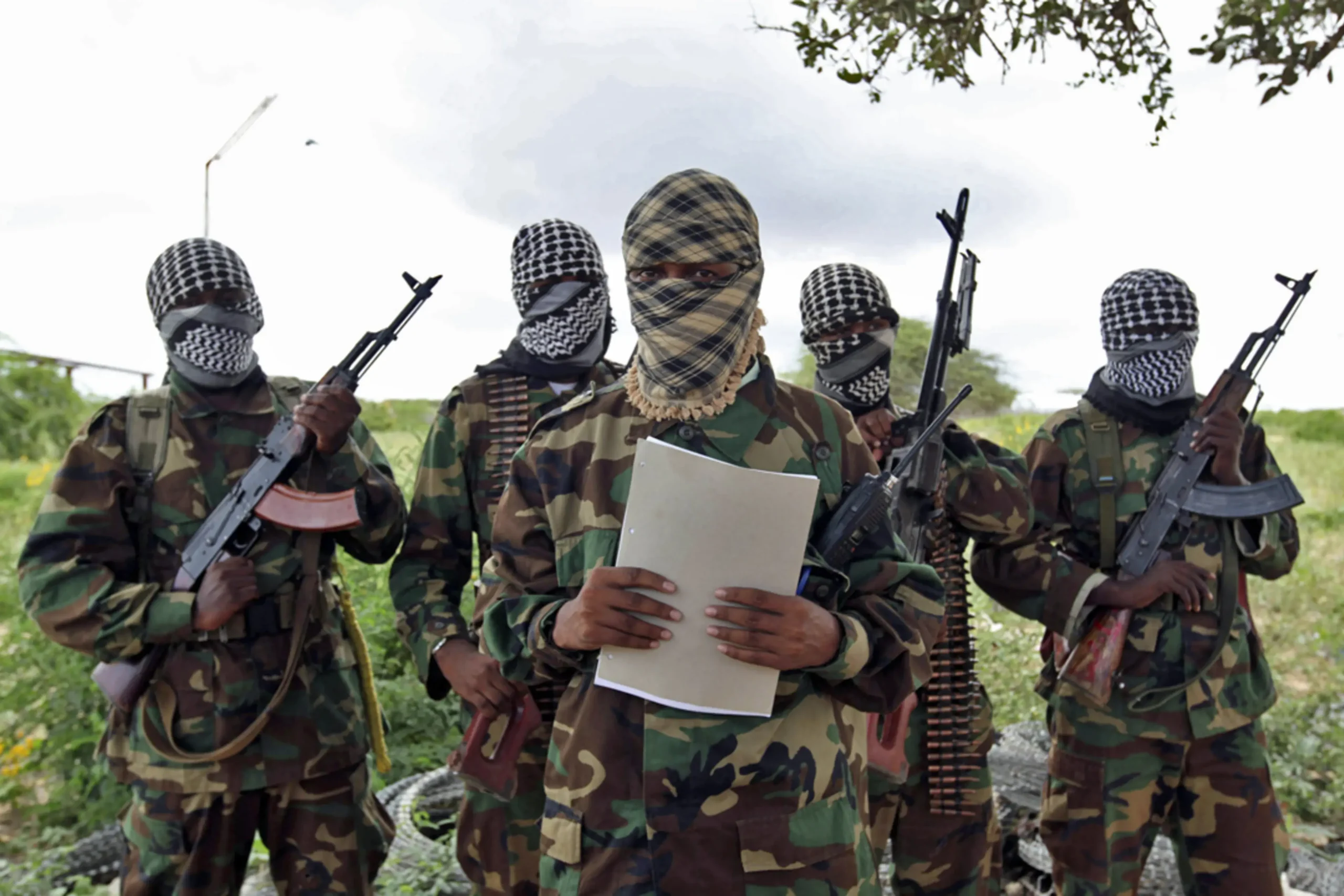
United Nations experts have warned that al-Shabab remains the most serious and immediate danger to peace and stability in Somalia and across the wider region, including neighbouring Kenya. In a report released on Wednesday, the experts said the extremist group is still capable of carrying out highly coordinated and deadly attacks, despite sustained military pressure from Somali forces and their international partners.
Linked to al-Qaida, al-Shabab continues to rely on more than just violence. The group runs organised systems of extortion, forced recruitment and propaganda, allowing it to survive and adapt. The report pointed to a failed assassination attempt on Somalia’s president in Mogadishu on March 18 as clear evidence that the group remains a major threat, even in the capital.
On Tuesday, the UN Security Council voted to extend the mandate of the African Union peacekeeping mission in Somalia until December 31, 2026. The force, made up of 11,826 personnel, remains central to efforts to stabilise the country and push back against al-Shabab’s influence.
The threat is also strongly felt in Kenya. According to the report, al-Shabab continues to carry out attacks there, including bombings, abductions and cross-border raids, especially in areas close to Somalia. So far this year, the group has carried out an average of six attacks every month in Kenya.
The UN panel also expressed concern about the growing presence of Islamic State fighters in Somalia. While smaller than al-Shabab, the group’s steady expansion was described as another serious risk to regional security.