

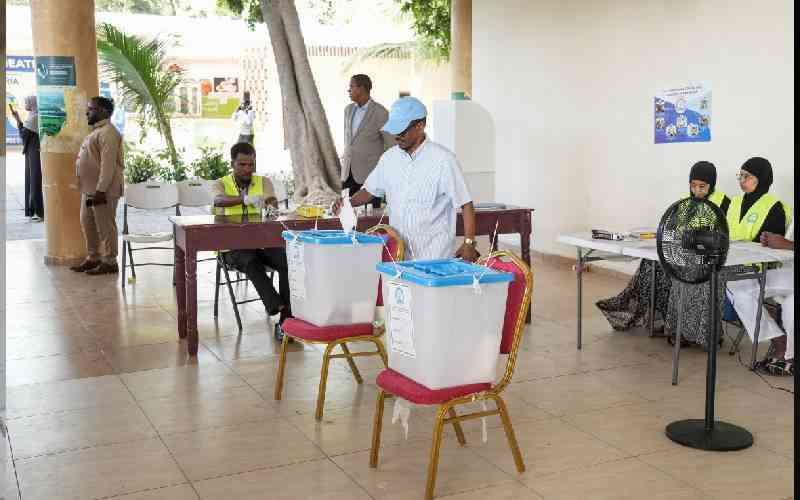
For the first time in more than five decades, residents of Somalia’s capital will head to the polls on Thursday in a highly contested local election based on a one-person, one-vote system.
Observers describe the vote as a sharp break from Somalia’s long-standing clan-based power-sharing model.
The election, which will choose local council members across Mogadishu’s 16 districts, is being organised by the federal government. Opposition parties, however, have rejected the process, branding it flawed and biased.
For decades, Somalia has relied on clan negotiations to select local councils and members of parliament, with political leaders later choosing the president. Since 2016, successive governments have pledged to restore direct voting, but insecurity and political disagreements between the authorities and opposition groups have repeatedly stalled those plans.
This vote marks the first large-scale election managed by Somalia’s National Independent Electoral and Boundaries Commission, with candidates fielded by up to 20 political parties.
The election will not decide Mogadishu’s mayor, who also acts as governor of the Banadir region. That post remains an appointed position, as the constitutional status of the capital is still unresolved and requires national agreement, something that appears increasingly unlikely amid widening tensions between President Hassan Sheikh Mohamud and the leaders of Jubaland and Puntland over proposed constitutional changes.
According to the electoral commission, more than 900,000 voters have registered across 523 polling centres in the central region.Somalia continues to grapple with security threats, particularly from the al-Qaeda-linked al-Shabab group, which frequently carries out deadly attacks in the capital.
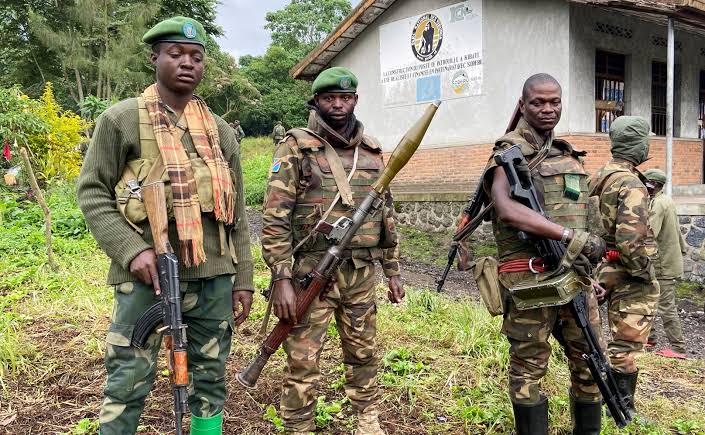
In response, security measures across Mogadishu have been tightened ahead of Thursday’s vote.