

Forbes has unveiled its 2025 ranking of the world’s 100 most powerful women, highlighting leaders who continue breaking barriers despite global workplace challenges. In the U.S., nearly 500,000 women quit their jobs between January and October 2025, one of the steepest declines in history.
Research by McKinsey and Lean In shows only 54% of companies now prioritize promoting women into leadership roles, down from 90% four years ago. The UN has also warned about rising online sexism, affecting women across industries.
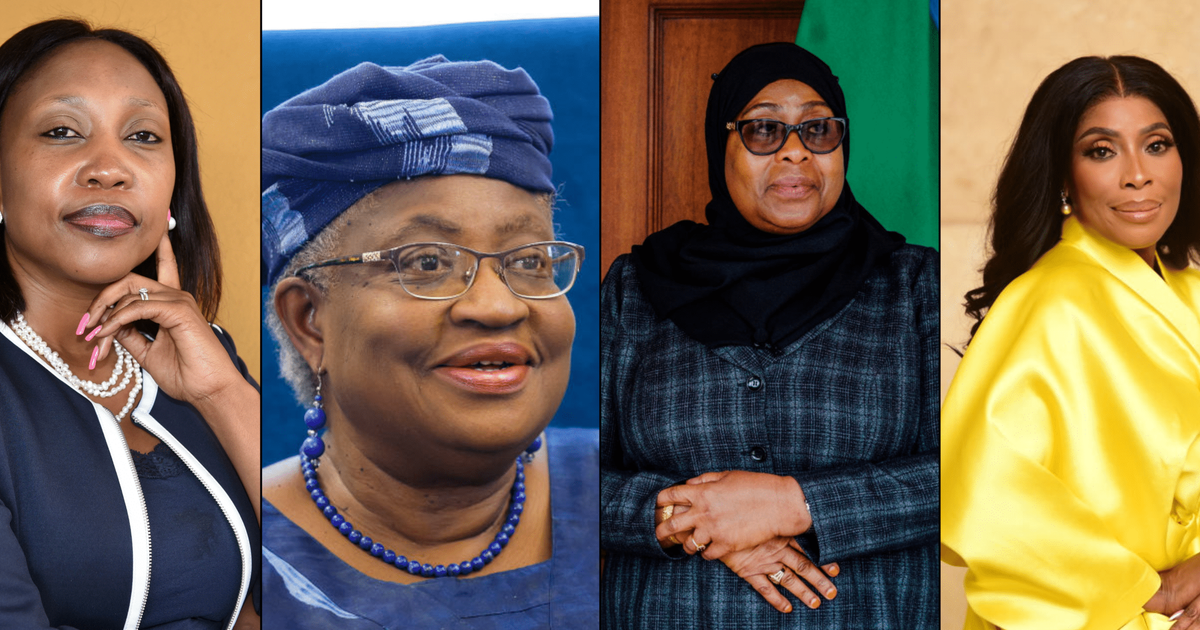
Across Africa, women are making history in politics, business, and media. Forbes spotlighted six African women whose accomplishments are reshaping the continent and the world.
Mary Vilakazi – South Africa
A chartered accountant and leading financial executive, Vilakazi became the first woman and first Black woman to lead FirstRand Group in 2024, South Africa’s largest financial-services company by market value.
Judith Suminwa Tuluka – DRC
Tuluka became the DRC’s first female Prime Minister in June 2024. A former UNDP official and economist, she brings expertise in budgeting, public finance, and national programme coordination.
Netumbo Nandi-Ndaitwah – Namibia
Sworn in as Namibia’s first female president in March 2025, Nandi-Ndaitwah has focused on reducing national debt and strengthening policies, after holding key government posts including Vice President and foreign affairs minister.
Mpumi Madisa – South Africa
The first Black woman to lead a top-40 Johannesburg Stock Exchange-listed company, Madisa became CEO of Bidvest in 2020, expanding global reach and restoring profitability.
Ngozi Okonjo-Iweala – Nigeria
World-renowned economist and first African woman to head the WTO, Okonjo-Iweala was reappointed for a second term in 2024.
Mo Abudu – Nigeria
Founder of EbonyLife Media, Abudu drives African storytelling globally. TIME named her one of the “100 Most Influential People” in 2025, and she launched a $50 million Afro Film Fund.