

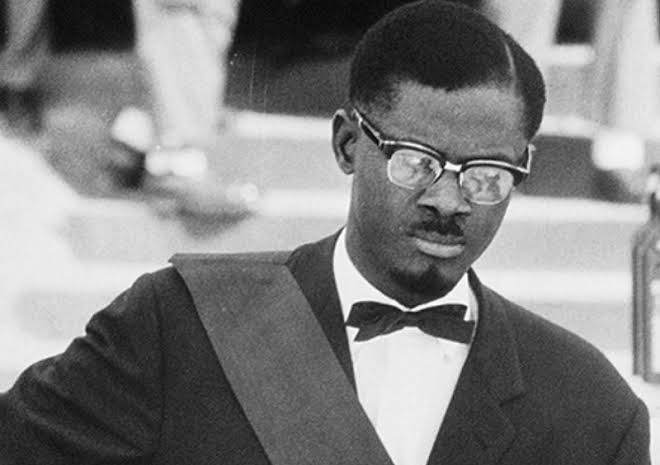
Patrice Lumumba, born in 1925 in the Democratic Republic of Congo, was a political leader whose vision for freedom and equality left a lasting impact on Africa and the world. Growing up under Belgian colonial rule, Lumumba witnessed the oppression, exploitation, and inequality faced by his people. From an early age, he became determined to fight for his country’s independence and the rights of its citizens.
Lumumba rose to prominence as a charismatic and passionate leader. In 1960, he became the first Prime Minister of an independent Congo. He immediately worked to unify the country and assert its sovereignty, challenging foreign powers that sought to exploit Congo’s rich natural resources. Lumumba believed that Africa’s strength lay in its people and its unity, and he championed economic independence and social justice.
Although his leadership was short-lived due to political instability and interference from foreign governments, Lumumba’s ideals inspired generations of Africans. He became a symbol of courage, self-determination, and resistance against colonialism. His speeches and writings continue to be studied and cited by activists, scholars, and leaders around the world.
Lumumba’s vision extended beyond Congo. He was one of the first African leaders to speak openly about Pan-Africanism, emphasizing that African nations must work together to overcome exploitation and poverty. Today, his legacy lives on through movements for democracy, human rights, and African unity.
Patrice Lumumba showed that a single person, guided by principles and courage, could ignite hope and change not only in his own country but across the continent and the world.