

The situation in Mali has grown more desperate as the fuel shortage gripping the country continues to worsen, despite the arrival of a convoy of 82 petrol tankers that reached Bamako over the weekend after departing from Niger.
Because of heightened insecurity across the region, the tankers spent 21 days covering the 1,400-kilometre stretch from Niamey to the Malian capital, a journey that would normally take far less time.
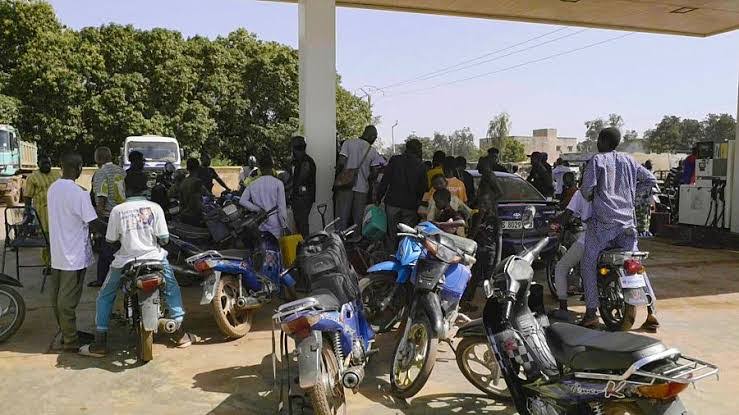
For more than two months, a fuel blockade enforced by al-Qaeda-linked militants has nearly crippled Bamako. The pressure on Mali’s ruling military junta has intensified as fuel becomes scarcer and daily life becomes increasingly difficult for residents.
Since early September, jihadist groups have repeatedly targeted fuel convoys, cutting off transport routes and worsening the already fragile supply chain.
In response to the crisis, Russia has stepped in, promising to deliver between 160,000 and 200,000 metric tonnes of petroleum products and agricultural supplies to Mali. Reports indicate that Russia’s Africa Corps has been helping escort fuel tankers, providing protection against hijackings and ambushes.
Mali, along with Niger and Burkina Faso, formed the Alliance of Sahel States last year as all three countries continue to battle a persistent jihadist insurgency. They have severed ties with their former colonial ruler, France, withdrawn from the regional political bloc ECOWAS, and increasingly leaned on Russia for military and logistical support in confronting armed groups operating across the Sahel.
The worsening fuel crisis underscores the scale of the security threats facing Mali and the broader region, where instability and militant violence continue to disrupt essential services and movement.