

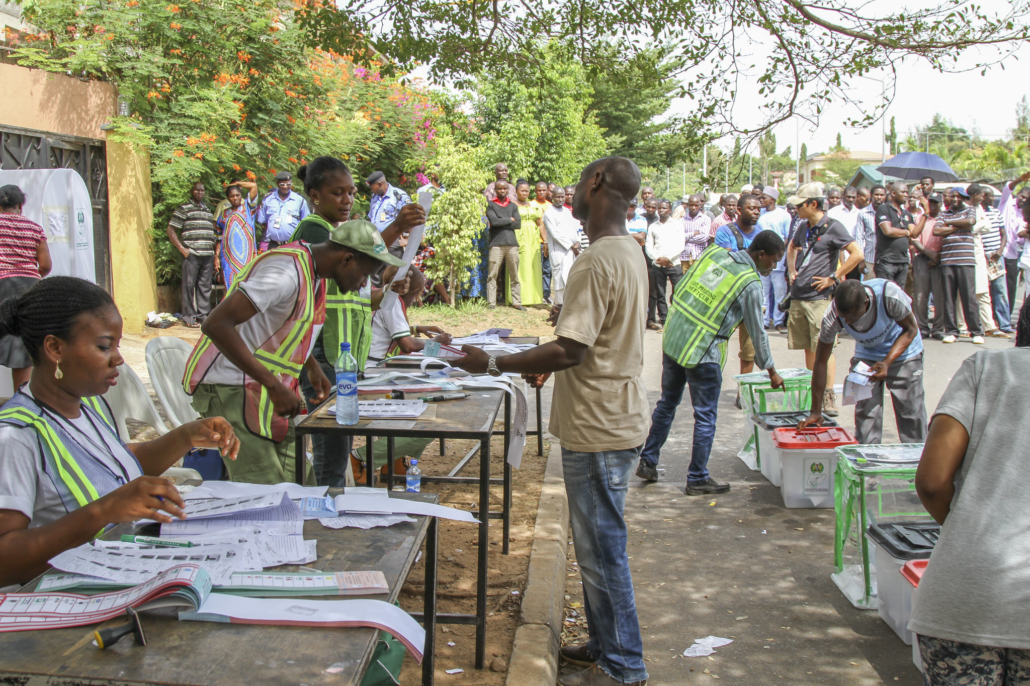
Tension and anticipation are building in Guinea-Bissau as citizens gear up for what many see as one of the most heated presidential elections since the country embraced multiparty politics. President Umaro Sissoco Embaló is pushing for a second term in Sunday’s vote, despite a turbulent tenure filled with political clashes and recurring claims of attempted coups.
If he wins, Embaló would be the first incumbent to secure a second term in more than five decades of independence. But the length of his current mandate remains disputed: opposition parties insist his term ended in February, while the Supreme Court says it continues until September. The decision to move the election forward from November 30 has only intensified the debate.
In the capital, Bissau, many citizens voiced a strong longing for calm. “I hope these elections will bring peace and tranquility so there will be no more hunger, and that whoever wins will respect our constitution,” said voter Marinho Insoldé. “That the next president will make the people feel safe.”
Twelve contenders are vying for the presidency, while 14 political groups, including one coalition are competing for legislative seats. Still, analysts caution that the exclusion of major opposition alliances, along with deep-rooted divisions within the military, could heighten the risk of unrest.
“The democracy we knew 29 years ago is no longer the system we are living today,” said lawyer and political analyst Augusto Nansambe. “The present and future of Guinea-Bissau hang in the balance, between dictatorship and democracy.”
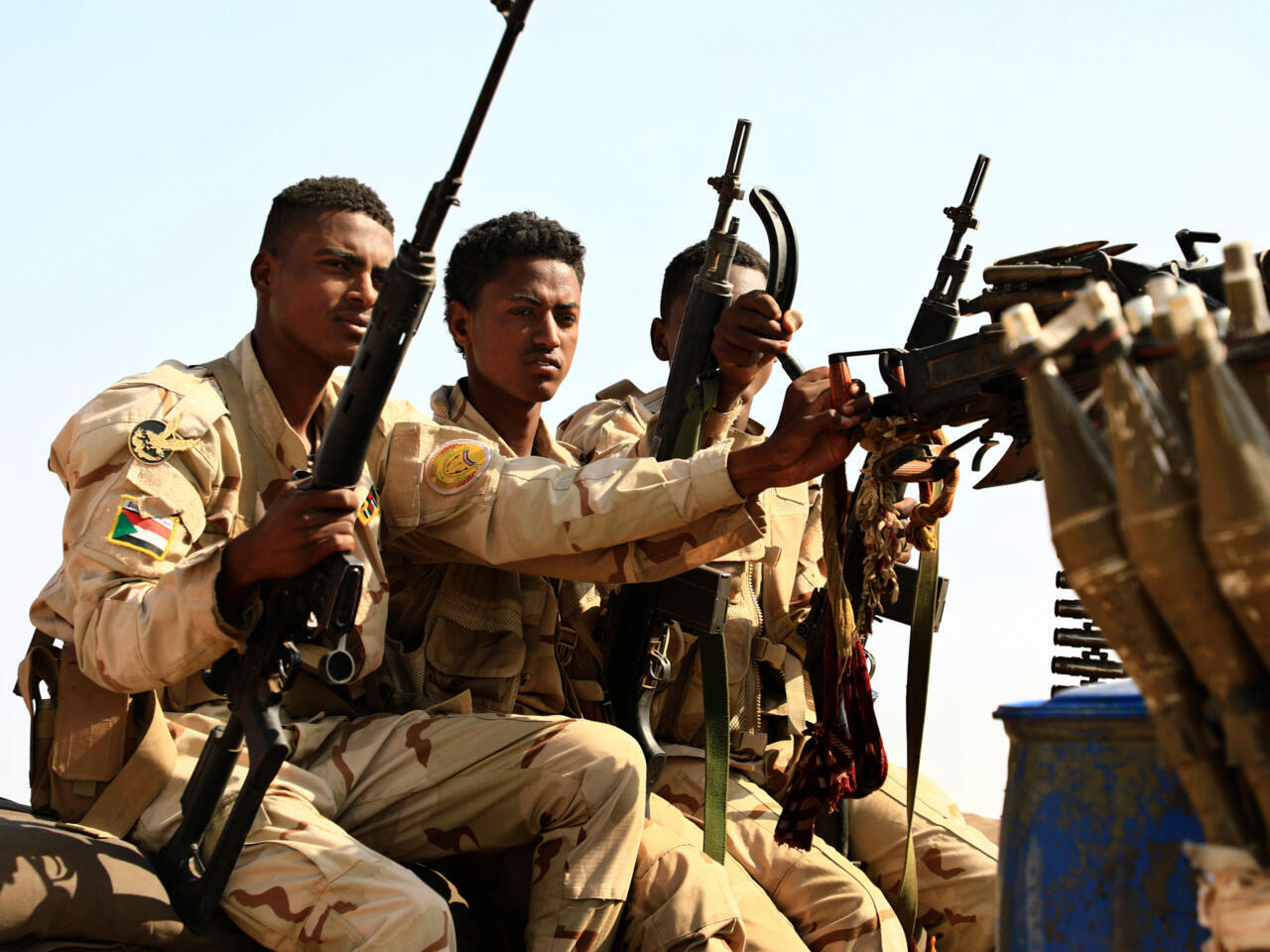
The small West African nation of about two million has experienced repeated coups since gaining independence from Portugal, and concerns about instability continue to loom large. Yet many voters say they hope this election might finally open the door to lasting peace.
Marcos Da Costa, another resident of Bissau, said he hopes for a smooth process “so that we can all live together as Guineans.”