

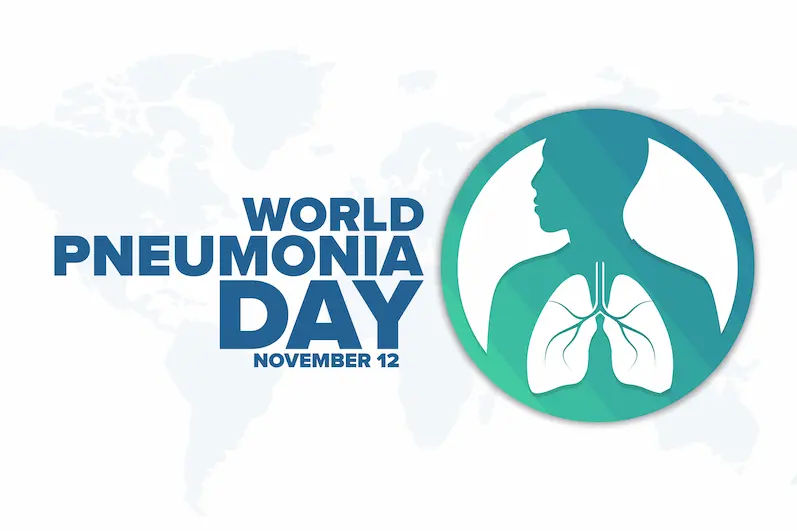
Today, the world observes World Pneumonia Day, a day dedicated to raising awareness about pneumonia, one of the leading causes of death among children under five.
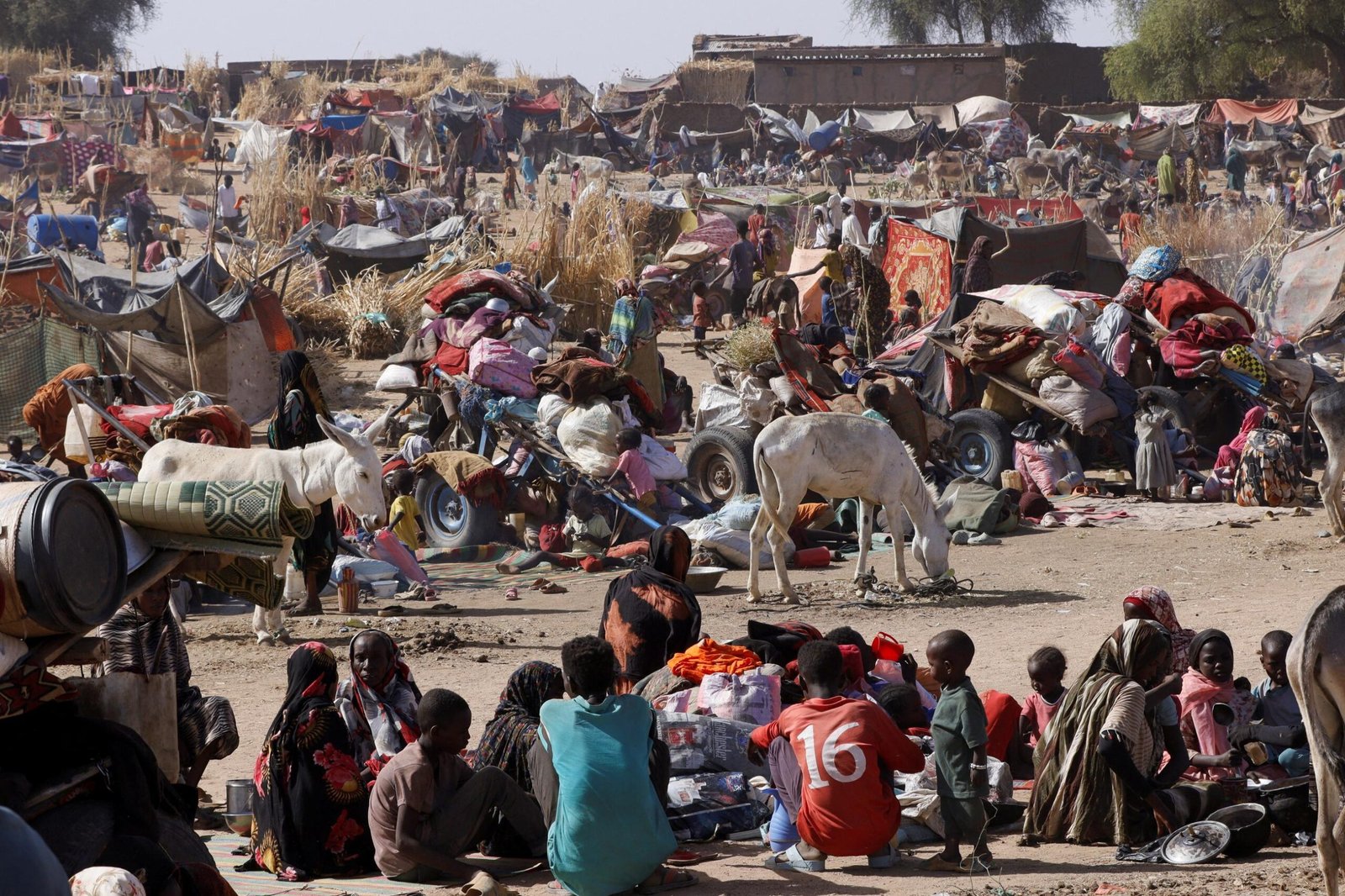
Pneumonia is a severe lung infection that affects millions globally, especially in low- and middle-income countries. Africa bears a significant burden, with thousands of children and adults suffering from this disease each year.
African countries and organizations have played a crucial role in combating pneumonia. Nations like Ghana, Kenya, and South Africa have implemented widespread vaccination campaigns, ensuring that millions of children receive the pneumococcal vaccine, which protects against the bacteria responsible for the disease.
Local governments, in collaboration with international partners, have strengthened healthcare systems to provide prompt diagnosis, treatment, and follow-up care.
Innovators and researchers from Africa have also contributed significantly. African scientists have participated in studies to develop better diagnostic tools and affordable treatments tailored to low-resource settings.
Community health workers across rural Africa educate families on recognizing pneumonia symptoms, promoting early care-seeking behavior, and reducing preventable deaths.
Non-governmental organizations such as UNICEF, PATH, and the African Pediatric Association have supported training programs for health workers, supplied essential medicines, and raised awareness about prevention strategies like proper nutrition, breastfeeding, and hygiene.
Africa’s contributions demonstrate the power of local leadership, research, and community-driven solutions in the fight against pneumonia.
As we mark World Pneumonia Day, it is important to celebrate these efforts, while continuing to invest in healthcare systems and public education, so that every child and adult can survive and thrive free from this deadly disease.