

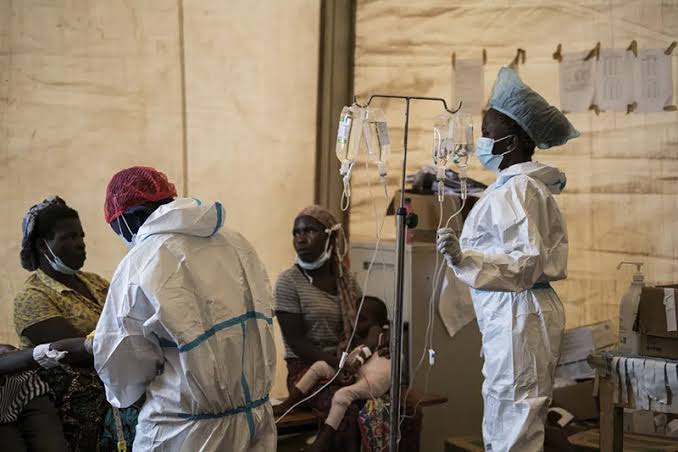
A once controlled disease is making a troubling comeback across the globe. In just 2025 alone, cholera has already claimed more than 6,800 lives, a rise compared to the previous year. The outbreak is hitting Africa the hardest, where conflict, poverty, and poor sanitation allow the infection to spread rapidly.
Although vaccines and treatments are proven and available, health experts say the major barrier isn’t medical, it’s political commitment and investment. Currently, only one major manufacturer produces cholera vaccines at the scale needed, leaving the global supply weak and inconsistent.
There is some progress. Zambia recently reached an agreement to build its own vaccine manufacturing plant through a partnership with a Chinese company, a move seen as a push toward vaccine independence for Africa.
Yet, specialists warn that vaccines alone won’t solve the problem. Long-term elimination depends on safe water systems, proper sanitation, and infrastructure that can withstand environmental disasters.
As the report emphasizes: “Ending cholera is not a medical or scientific challenge; at its core, it’s a political one.” Communities continue to suffer because they lack clean water and basic sanitation, conditions that allow the disease to thrive.