


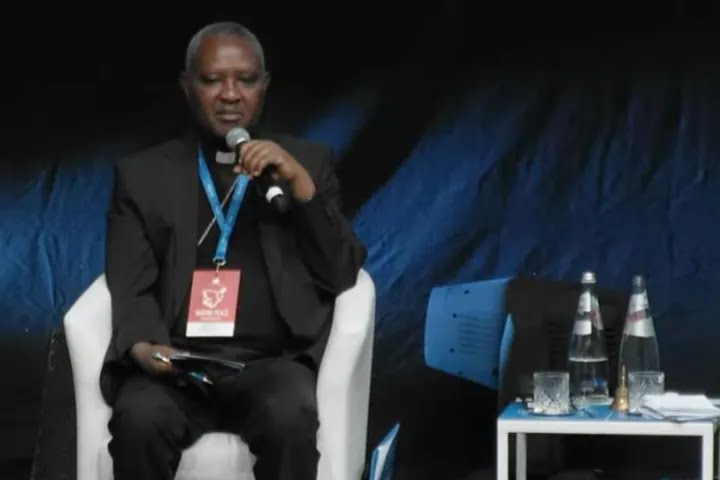
Antoine Cardinal Kambanda of Rwanda’s Catholic Archdiocese of Kigali has urged stronger governance, stricter regulations, and transparency to guide the exploration and management of Africa’s natural resources.
Speaking during a forum on Tuesday, October 28, at the International Meeting of Dialogue and Prayer for Peace in Rome, Cardinal Kambanda highlighted the “contradictory reality in Africa.”
“The continent is very rich in manpower and in natural resources but remains the poorest. It is like a lion still sleeping, yet to rise,” he said, attributing the situation to corruption, poor governance, and unfair foreign contracts.
Cardinal Kambanda noted that Africa holds about 30 percent of the world’s mineral reserves, including 90 percent of platinum, 40 percent of gold, and 30 percent of diamonds, as well as vast oil and gas deposits in countries like Nigeria, Angola, Algeria, and Mozambique. Yet, local populations receive limited benefits.
“The exploitation of Africa’s resources by foreign interests, taking advantage of weak governance and unfair contracts, leads to debt, loss of control over national resources, and minimal benefits for local communities,” he said.
“Africa is not only a young continent because of its youthful population but also because its natural wealth is relatively untouched,” added the Rwandan Catholic Church leader. “However, the abundance of natural resources also brings disadvantages.”
He explained that resource-rich African countries “often suffer from corruption and weak governance, which hinder long-term development.”
“We see this in many parts of Africa,” said the Cardinal-Priest of Sansisto, who began his Episcopal Ministry in the Catholic Diocese of Kibungo in July 2013. He also noted that competition over natural resources has fueled violent conflict “due to illegal mining and disputes over land and water, creating ethnic and community tensions.”
Cardinal Ambongo further emphasized, “The potential macroeconomic growth from this exploitation often does not improve the standard of living of the affected communities.”