

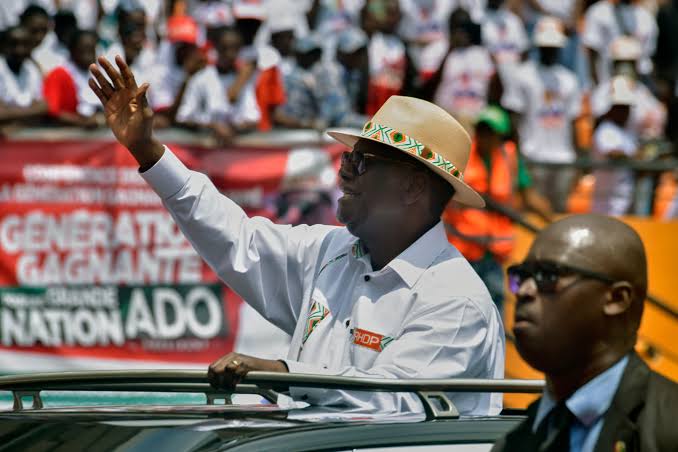
Ivory Coast voters headed to the polls today to choose their next president in an election that could see Alassane Ouattara remain in power for another term. The longtime leader, now 83, is seeking a fourth term that would stretch his leadership to almost twenty years.
The election has drawn global attention as another example of Africa’s aging presidents holding on to power in countries with largely youthful populations. Leaders like Cameroon’s Paul Biya, Uganda’s Yoweri Museveni, and Equatorial Guinea’s Teodoro Obiang Nguema Mbasogo continue to rule despite their advanced ages.
Five candidates are running for Ivory Coast’s top job, but the race is widely seen as favoring Ouattara. His party, the Rally of Houphouetistes for Democracy and Peace (RHDP), already holds a strong majority in parliament, controlling 169 of the 255 seats.
Since taking power after the civil war, Ouattara has overseen impressive economic growth, driven largely by cocoa exports. Ivory Coast remains the world’s leading cocoa producer, and under Ouattara’s administration, the economy has grown at an average of six percent annually.
However, more than one-third of the country’s 30 million citizens still live below the poverty line, and many young people continue to struggle with unemployment.
Among his challengers are Simone Gbagbo, a former first lady, and Jean-Louis Billion, who once served as commerce minister under Ouattara. Both have campaigned on promises of job creation and agricultural reform, though analysts believe they stand little chance of defeating the incumbent.
At his final campaign rally in Abidjan on Thursday, Ouattara told thousands of supporters, “Our country has grown stronger, but there’s still more to do. Together, we will continue the progress.”
However, the road to the election has not been without controversy. The exclusion of major political figures such as Tidjane Thiam and former president Laurent Gbagbo from the race has sparked violent protests in several cities. Security forces have arrested hundreds of demonstrators, with dozens still in detention.
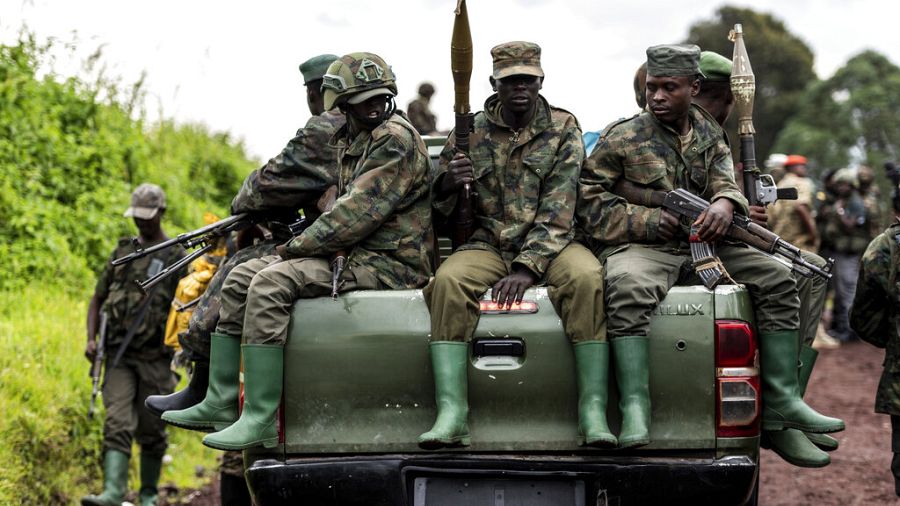
The unrest has revived memories of the deadly electoral crises of 2010–2011 and 2020, which left thousands dead. The government has since deployed over 40,000 security personnel nationwide to ensure calm during the voting process.
As Ivory Coast decides its political future, the world watches closely to see if Ouattara will once again extend his rule or if the nation will begin a new chapter under fresh leadership.