

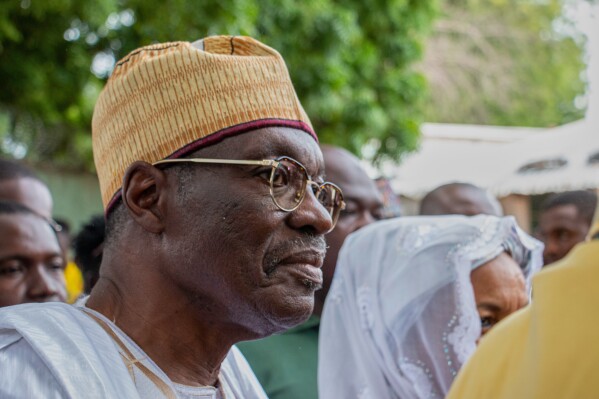
Cameroon’s opposition contender, Issa Tchiroma Bakary, declared victory early Tuesday in the October 12 presidential election, calling on long serving President Paul Biya, who has ruled for more than forty years, to concede defeat.
“Our victory is undeniable, and it must be honoured,” Tchiroma said in a video address posted on Facebook, urging Biya to “accept the will of the people” or risk “throwing the nation into chaos.”
Elections Cameroon, the independent body responsible for managing the vote, as well as the Constitutional Council, have yet to release official results. The final outcome is expected no later than October 26.
The ruling Cameroon People’s Democratic Movement (CPDM) swiftly dismissed Tchiroma’s declaration. Gregoire Owona, the party’s deputy secretary general, said the opposition candidate “did not win” and “has no credible data from polling stations.”
Tchiroma, however, maintained that he would soon publish a detailed breakdown of votes by region to support his claim.
Last week, Minister of Territorial Administration Paul Atanga Nji warned that any unauthorized announcement of results would amount to “high treason,” stressing that only the Constitutional Council has the authority to proclaim a winner.
The 76 year old opposition leader previously served as government spokesperson and Minister of Employment under Biya before resigning last year to launch his presidential bid. His campaign gained significant momentum, drawing massive crowds and support from a coalition of opposition parties and civil society groups.
Despite this, many political observers still anticipate another win for Biya, 92, as opposition forces remain divided and his strongest challenger was disqualified in August. Eleven opposition candidates were listed on the ballot for the October 12 poll.
Biya, the world’s oldest sitting president, has governed Cameroon since 1982, making him the country’s second leader since independence from France in 1960.
Throughout his decades in power, the Central African nation of nearly 30 million people has faced mounting crises from a violent separatist conflict in the west to widespread corruption that has slowed progress despite abundant natural resources like oil and minerals.